

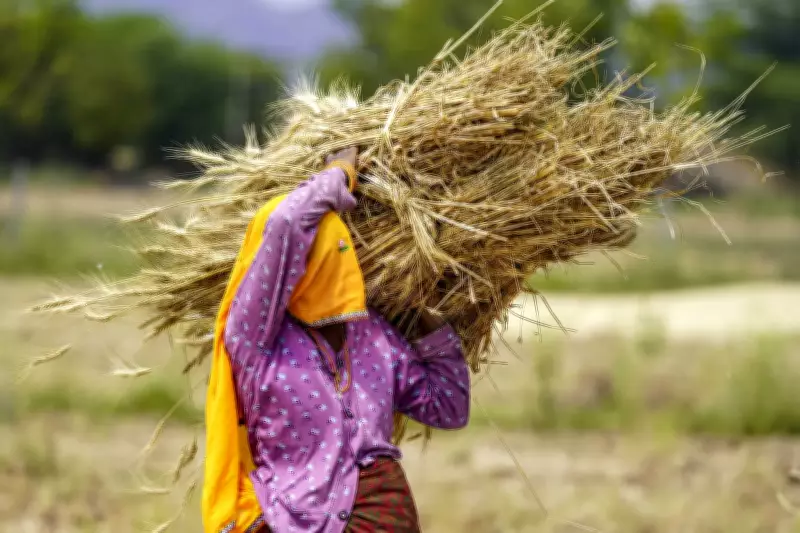
Bhagalpur Rabi Crops Devastated by Unseasonal Cyclonic Rains, Extensive Damage Assessment Underway
The agriculture department in Bhagalpur has urgently initiated comprehensive measures to evaluate the widespread destruction inflicted upon standing Rabi crops, including those on the verge of harvest. This critical assessment follows a severe bout of heavy, unseasonal cyclonic rainfall accompanied by powerful winds and thunderstorms that battered multiple regions of Bihar over the weekend, with Bhagalpur district being significantly impacted.
Preliminary Estimates Reveal Extensive Agricultural Damage
According to initial evaluations conducted by the district agriculture department, standing crops sprawling across nearly 22,220 hectares of agricultural land within Bhagalpur district have sustained considerable damage. The most severely affected crops include maize, wheat, and various other varieties, with reports of devastation emerging from more than 140 village panchayats spread across 11 blocks of the district. This alarming situation has prompted authorities to launch an extensive, block-wise survey to meticulously quantify the losses.
Official Statement and Detailed Survey Efforts
District Agriculture Officer (DAO) Prem Shanker Prasad provided detailed insights, stating, "As per estimates compiled until Wednesday, standing crops over 22,171.22 hectares out of a total cultivated area of 1,20,746.20 hectares in the district have been adversely affected due to the heavy unseasonal rainfall and thunderstorms experienced in the third week of March." He further elaborated that from the total affected area, crops spanning more than 5,395 hectares have suffered severe damage, which is officially defined as losses exceeding 33 percent.

DAO Prasad confirmed that agriculture department personnel, in collaboration with officials at the circle and block levels, panchayat workers, and other key stakeholders, have commenced thorough block-wise surveys to accurately assess the extent of crop damage. These coordinated efforts aim to provide a clear picture of the agricultural crisis.
Impact on Rabi Crops and Harvesting Cycle
Rabi crops, which are traditionally sown during the winter months between October and December and harvested from March to April, faced catastrophic damage just before the harvesting season could commence. The recent spell of intense rain and storms disrupted this cycle, leading to large-scale losses. Rabi crops encompass a wide range of agricultural produce, including cereals such as wheat, barley, and oats; pulses like chickpea (gram), peas, and lentils; oilseeds such as mustard and linseed; and vegetables including potato, onion, garlic, and carrot, as detailed by the DAO.
The unseasonal weather event has not only jeopardized the immediate harvest but also poses significant economic challenges for farmers in the region, highlighting the vulnerability of agricultural systems to erratic climatic conditions.






