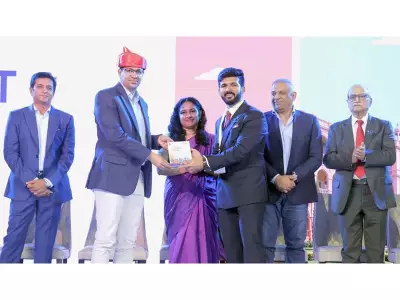
Aluminium Industry Leader Bharat Gite Stresses Ethics and Rural Decentralization for Sustainable Growth
In a significant address, Bharat Gite, widely recognized as the 'Aluminium Man of India', has highlighted the critical role of quality business ethics in achieving long-term success within the corporate sector. Gite, a prominent figure in the aluminium industry, underscored that ethical practices are not merely a compliance requirement but a foundational element that drives sustainable profitability and trust among stakeholders.
Call for Decentralization to Boost Rural Maharashtra's Economy
Gite passionately called for the decentralization of industries to rural areas of Maharashtra, arguing that this strategic move can unlock immense economic potential and foster balanced regional development. He pointed out that concentrating industries in urban centers often leads to overcrowding, infrastructure strain, and unequal growth, whereas spreading industrial activities to rural regions can create jobs, enhance local livelihoods, and stimulate overall economic resilience.
Key Benefits of Rural Industrialization:

- Job Creation: Establishing industries in rural Maharashtra can generate employment opportunities for local populations, reducing migration to cities and alleviating urban pressures.
- Economic Diversification: Decentralization encourages the development of diverse sectors, from manufacturing to services, making the state's economy more robust and less dependent on a few urban hubs.
- Infrastructure Development: Industrial growth in rural areas often spurs improvements in infrastructure, such as roads, electricity, and telecommunications, benefiting communities at large.
- Sustainability: By distributing industrial activities, environmental impacts can be better managed, promoting greener practices and reducing the carbon footprint associated with concentrated urban industrialization.
Ethics as a Cornerstone for Business Longevity
Gite emphasized that without a strong ethical framework, businesses risk short-term gains at the expense of long-term viability. He noted that ethical conduct builds reputation, fosters customer loyalty, and attracts investment, all of which are essential for enduring success in today's competitive global market. In the context of decentralization, he argued that ethical practices must guide the expansion into rural areas to ensure fair treatment of workers, environmental stewardship, and community engagement.
Practical Steps for Implementation:
- Collaborate with government bodies to create incentives for industries to set up operations in rural Maharashtra, such as tax breaks or subsidies.
- Invest in skill development programs to equip rural populations with the necessary training for industrial jobs, enhancing employability and productivity.
- Promote public-private partnerships to fund infrastructure projects that support industrial growth while benefiting local communities.
- Establish clear ethical guidelines for businesses operating in rural areas, focusing on transparency, social responsibility, and environmental conservation.
Gite's insights come at a time when Maharashtra, as a leading industrial state in India, faces challenges related to urban congestion and regional disparities. His call for decentralization aligns with broader national goals of inclusive growth and sustainable development, making it a timely and relevant proposition for policymakers and business leaders alike.