

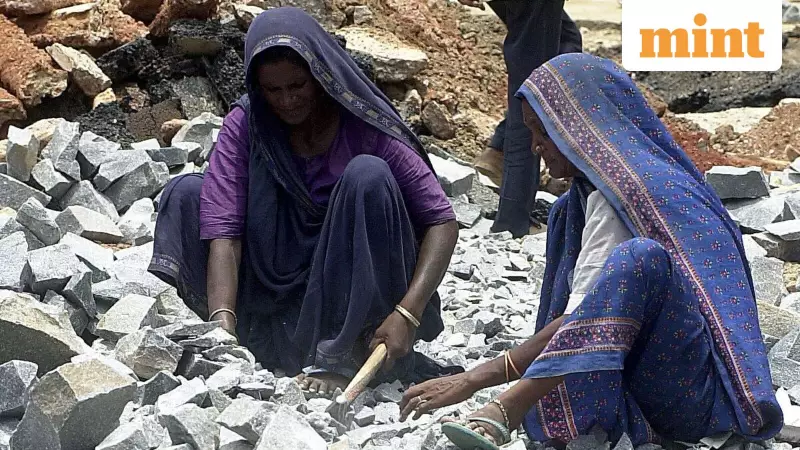
Indian advertising paints a picture of a modern, progressive nation, often glossing over one of its most persistent social realities: caste. While campaigns have made strides in representing gender diversity, disability, and different body types, the depiction of caste and its deep-rooted connection to labour remains conspicuously absent. This gap exists even as the country's workforce, from sanitation and delivery to domestic help and construction, continues to be structured along caste lines.
The Three Eras of Caste Avoidance in Ads
An examination of advertising trends over the decades reveals a clear pattern of sidestepping caste. From the 1980s to around 2010, mainstream ads defaulted to a narrow, aspirational ideal: light-skinned, urban, Hindi-speaking families where consumption signified progress. Caste was invisible, with depictions aligning seamlessly with dominant savarna norms.
The period from the 2010s to 2020 saw brands embrace diversity, but largely in safer territories. Campaigns focused on gender equity, disability, and occasionally LGBTQ+ representation. While these were progressive steps, influential purpose-led movements continued to avoid the complexity of caste.

From 2020 to the present, the rise of app-based labour platforms like Swiggy, Zomato, and Urban Company has placed workers at the centre of advertising. However, these portrayals are carefully curated. Workers are shown as cheerful, ambitious 'partners', their narratives detached from the caste-linked realities of occupational inheritance or the discrimination they might face off-screen.
Why Marketers Shy Away and the Real Cost
The reluctance is multifaceted. The topic is complex, fraught with the risk of political and online backlash. Furthermore, decision-making power in advertising agencies and corporate boards remains concentrated among savarna elites. This leads to a paradoxical portrayal: a modern Bharat without social hierarchy, even as everyday experiences—like domestic workers being served in separate cups—tell a different story.
This is not just a social blind spot; it's a tangible business risk. Marketplaces that rely on gig workers thrive on trust. When the dignity projected in glossy ads starkly contradicts the lived experiences of workers, it erodes credibility across the entire platform. Consumers are increasingly aware of these inequalities, and advertising cannot mask them indefinitely.
Charting a Caste-Conscious Path Forward
For brands willing to engage with caste thoughtfully, the path need not be littered with landmines. The key is subtlety and authenticity, drawing lessons from effective race-conscious advertising in other contexts.
First, "Nothing about us, without us". Involving Dalit and Bahujan voices, workers, and civil society groups in the creative process is crucial. This ensures authenticity beyond top-down storytelling from Mumbai and Gurugram conference rooms.
Second, focus on situational truth rather than direct identity labelling. Powerful communication can happen through depicting familiar scenes—who enters the kitchen, who waits outside, who serves. As seen in campaigns like P&G's 'The Talk' (2017), bias can be communicated through anticipation, pauses, and glances, not explicit slogans.
Third, brands must prepare internally. Marketing teams should align with leadership, communications, and legal departments to define what the brand stands for and decide what criticism is acceptable in a hyper-reactive social media world.
Indian advertising has touched upon caste before, notably in Idea Cellular's 'Caste War' advertisement in 2007. While its execution was debated, its sincerity was clear. As Indian brands plan their next phase of growth, there is a significant opportunity to develop caste-aware advertising that relies on recognition, not revelation. Brands that learn to do this well will not only mitigate risk but also earn a deeper, more resonant credibility in a society that is already acutely aware of these hierarchies.






