Chilli Prices Skyrocket in Andhra Pradesh Markets, Offering Farmer Relief
Chilli prices have experienced a dramatic surge across major markets in Andhra Pradesh, providing long-awaited financial relief to farmers while simultaneously sparking concerns among traders and consumers regarding escalating costs. This significant price increase represents a notable shift in market dynamics that has been eagerly anticipated by agricultural producers throughout the region.
Market Dynamics and Price Movements
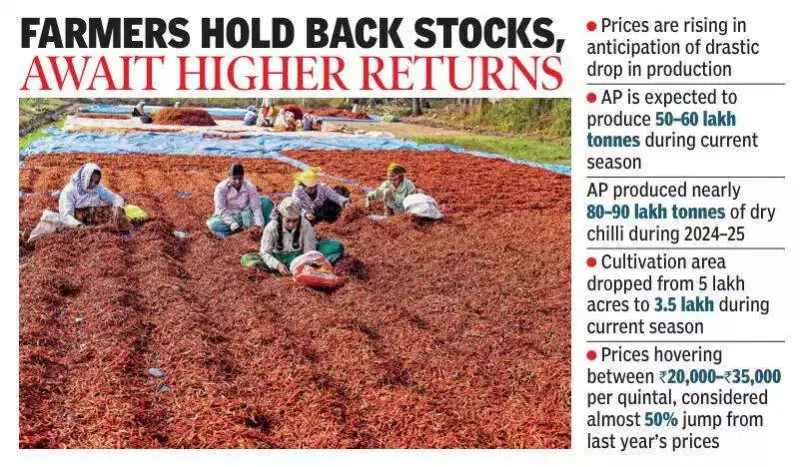
The price escalation has been particularly pronounced at the Guntur Mirchi Yard, recognized as Asia's largest chilli trading hub. Market officials have reported that the popular Teja (S-17) variety reached a remarkable peak of ₹24,500 per quintal, while average prices have been fluctuating between ₹13,000 and ₹22,000, depending primarily on quality and moisture content. Other premium varieties including 341, 334, No. 5, and Super-10 have also recorded substantial gains, consistently trading well above last season's price levels.
Factors Driving the Price Rally
Several interconnected factors have contributed to this significant price surge. Strong export demand has emerged as a primary driver, with buyers from China, Bangladesh, and various Southeast Asian countries increasing their purchases, particularly focusing on varieties with high colour value and low moisture content. Simultaneously, domestic demand from chilli powder manufacturers, spice processors, and cold storage operators has remained robust, further tightening available supplies in the open market.

Market sources have noted that quality stocks have become relatively scarce this season. Chilli lots exhibiting good colour, proper drying techniques, and minimal fungal damage are commanding premium rates, while even average-quality produce is selling at prices substantially higher than those observed last year. A leading chilli exporter, K Venkateswara Rao, explained this phenomenon further: "Domestic demand is also increasing due to crop losses in several states following unseasonal rains, while exports to Bangladesh, Sri Lanka, Malaysia, China, and Singapore have remained consistently strong."
Farmer Behavior and Market Response
Traders have observed that market arrivals have remained lower than anticipated, as numerous farmers are deliberately holding back their produce in anticipation of further price appreciation. A senior trader elaborated on this strategic approach: "Growers are not rushing their stocks to the yard. After suffering significant losses in earlier seasons due to excess supply and price crashes, they are now adopting a cautious wait-and-watch approach." This calculated selling behavior has contributed substantially to the current supply constraints and price elevation.
Impact on Agricultural Communities
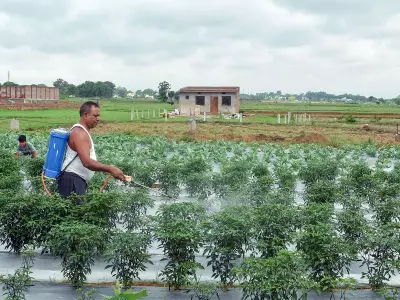
Farmers from Guntur, Palnadu, and Prakasam districts have expressed considerable satisfaction with the current market trend, emphasizing that prevailing prices are helping them offset rising cultivation costs. Input expenses, including fertilizers, pesticides, and agricultural wages, have increased significantly over the past year, making these remunerative prices crucial for farm sustainability and economic viability.
Concerns and Future Projections
Despite the positive outlook for farmers, traders and retailers have cautioned that prolonged high prices could create ripple effects throughout the consumer market. A wholesaler expressed concern: "If the current trend continues, chilli powder and other spice products will become substantially costlier in the retail market over the next few months." This wholesaler added that bulk buyers have already begun revising their contracts in response to these market changes.

Looking ahead, market arrivals are expected to improve as peak harvesting begins in the coming weeks. However, prices are unlikely to soften immediately unless there is a sudden and substantial surge in supply. Exporter Venkateswara Rao provided his market assessment: "The market will remain firm in the short term, supported by sustained export demand and controlled selling strategies implemented by farmers." This combination of factors suggests that the current price environment may persist for the foreseeable future, creating both opportunities and challenges for different stakeholders in the chilli market ecosystem.