

Coimbatore's Rs 450 Crore Waste-to-Energy Plant Tender Opens for Bids
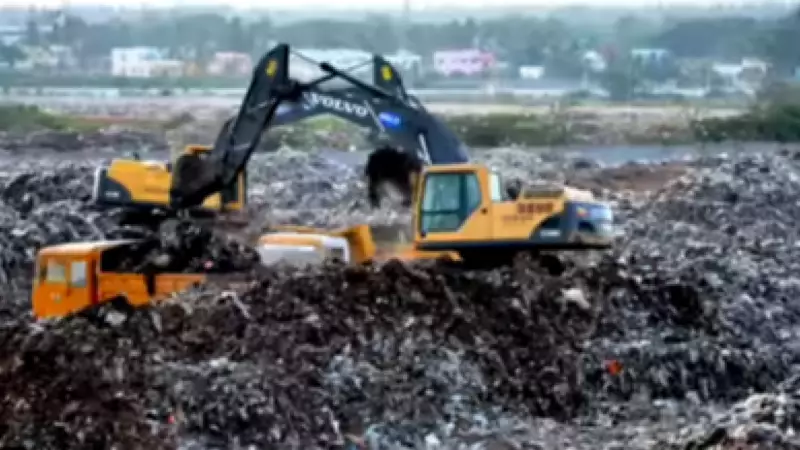
The Department of Municipal Administration and Water Supply (MAWS) has officially launched a Request for Proposal (RFP) for the establishment of a major waste-to-energy (WtE) plant at the Vellalore dump yard in Coimbatore. This significant infrastructure project, valued at approximately Rs 450 crore, is set to be developed on a Design, Build, Finance, Operate, and Transfer (DBFOT) basis, marking a key step in sustainable waste management for the region.
Project Details and Tender Timeline
The proposed plant will have a substantial processing capacity of 1,200 tonnes per day (TPD), designed to handle waste from the Coimbatore-Tirupur cluster areas. The tender notification was initially announced on February 13, covering both Coimbatore and Madurai WtE plants, with the RFP opening on February 19. According to the MAWS notice, the deadline for downloading and submitting the filled tender documents is April 2, until 3 PM. The received bids will be opened at 4 PM on the same day, ensuring a transparent and timely procurement process.
Official Statements and Operational Scope
Corporation Commissioner M Sivaguru Prabakaran emphasized the scientific approval and viability of the project. He noted that similar plants in cities like Delhi operate with capacities up to 2,500 TPD, highlighting the feasibility of the Coimbatore initiative. The facility is engineered to process both segregated and mixed waste, though efforts will be made to ensure that segregated waste is specifically received from Tirupur. This project is being implemented in a public-private partnership (PPP) mode, aiming to leverage private sector expertise and investment for efficient execution.

Strategic Importance and Environmental Impact
The establishment of this waste-to-energy plant represents a critical move towards addressing waste management challenges in the Coimbatore-Tirupur region. By converting waste into energy, the project not only aims to reduce landfill dependency but also contributes to renewable energy generation, aligning with broader environmental and sustainability goals. The DBFOT model ensures long-term operational efficiency and transfer of assets, fostering a collaborative approach between government and private entities.
This initiative underscores the growing emphasis on innovative solutions for urban waste management, setting a precedent for other cities in India to adopt similar technologies and partnerships for a cleaner, greener future.






