

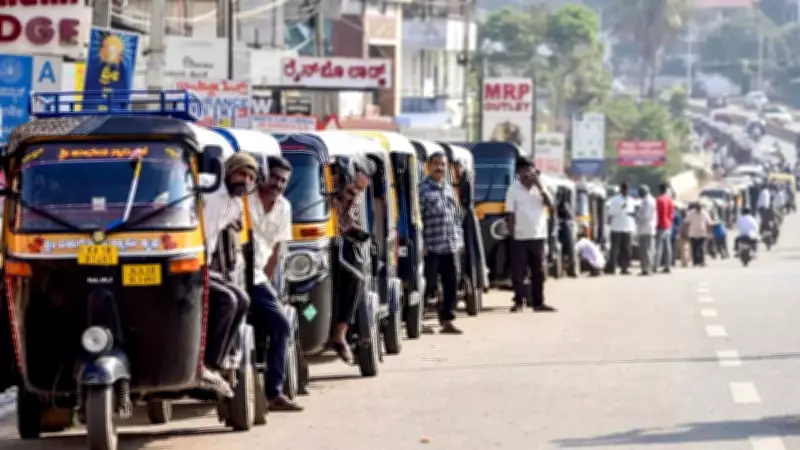
Bengaluru Transport System Paralyzed by Severe Auto LPG Shortage
Bengaluru is grappling with a mounting transportation crisis as an acute shortage of auto LPG has rendered a significant portion of the city's autorickshaw fleet inoperative, creating severe disruptions for daily commuters. The situation has escalated to the point where nearly half of Bengaluru's iconic three-wheelers remain idle, unable to access fuel amid chaotic queues and unpredictable supply chains.
Commuters Face Last-Mile Connectivity Nightmare
Autorickshaws, which serve as a vital lifeline for office workers, students, and short-distance travelers across India's tech capital, have become increasingly scarce during peak hours. This scarcity has created a domino effect, leaving thousands struggling to complete their daily journeys and exposing critical gaps in the city's public transportation infrastructure.
Private Station Closures Exacerbate Crisis
The transportation breakdown has been significantly worsened by the widespread closure of private LPG dispensing stations throughout Karnataka. Industry assessments indicate that approximately 80% of the state's 300-plus private auto LPG outlets have ceased operations due to global supply disruptions linked to geopolitical tensions in West Asia.

This mass closure has shifted the entire fueling burden onto public sector outlets, resulting in overwhelming crowds and wait times stretching four to five hours at numerous stations across Bengaluru. Many drivers report visiting multiple locations before finding available stock, while others have resorted to parking their vehicles near stations in anticipation of incoming deliveries.
Economic Impact on Drivers and Supply Response
The uncertainty surrounding fuel availability has severely impacted autorickshaw operators' daily earnings and made work scheduling nearly impossible. In response to the escalating demand, Indian Oil Corporation Limited (IOCL) has increased daily distribution from 43.5 metric tonnes in February to over 68.5 metric tonnes since April.
However, company officials acknowledge that infrastructure limitations, including insufficient dispensing stations and inadequate capacity, prevent the system from fully meeting current demand levels.
Price Disparity and Alternative Solutions
The price differential between public and private outlets has further complicated the situation. Auto LPG currently costs approximately Rs 89.5 per litre at public sector stations compared to Rs 99-105 at private pumps, driving more operators toward government-run facilities.
Transport authorities have recommended that drivers temporarily switch to petrol, noting that about 70% of Bengaluru's autorickshaws feature dual-fuel capability. Similar transitions have already been observed in smaller urban centers throughout the region.
Official Statements and Ongoing Challenges
While both central and state governments maintain there is no overall fuel shortage, the ground reality continues to strain commuters and drivers alike, with normal transportation services yet to stabilize. The crisis highlights the vulnerability of urban transport systems to global supply chain disruptions and underscores the need for more resilient infrastructure planning.
The Bengaluru auto LPG shortage represents more than just a temporary inconvenience—it exposes systemic weaknesses in urban transportation networks and demonstrates how localized fuel issues can paralyze mobility in one of India's most dynamic metropolitan areas.






