

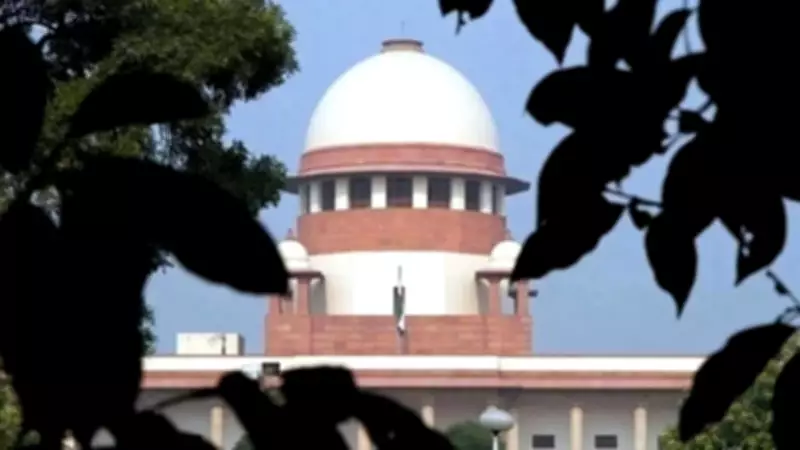
Supreme Court Extends Deadline for Delhi Police in 2020 Riots Bail Plea Case
The Supreme Court of India has granted the Delhi Police an additional two weeks to submit their official reply concerning the bail plea of accused individuals involved in the 2020 Delhi riots case. This significant development occurred as the top court deliberated on a plea filed by the accused, Ahmed and Saifi, who are challenging a previous order issued by the Delhi High Court.
Background of the Legal Proceedings
On February 11, the Supreme Court had initially issued a formal notice in response to the plea submitted by Ahmed and Saifi. This plea specifically contested a ruling from the Delhi High Court, which had earlier addressed aspects of the bail application related to the 2020 Delhi riots. The riots, which took place in February 2020, resulted in widespread violence and numerous legal cases, with many individuals facing charges and seeking bail under various circumstances.
Details of the Court's Decision
In its latest order, the Supreme Court has provided the Delhi Police with a two-week extension to prepare and file their detailed reply. This extension is crucial as it allows the police department more time to gather evidence, review case materials, and formulate a comprehensive response to the bail plea. The court's decision underscores the importance of thorough legal procedures and ensures that all parties have adequate opportunity to present their arguments.

The accused, Ahmed and Saifi, have been actively pursuing their bail plea through the judicial system, highlighting the complexities and prolonged nature of such high-profile cases. Their challenge to the Delhi High Court order is a key part of this legal battle, as it questions the earlier judicial findings and seeks a reconsideration based on new evidence or legal interpretations.
Implications for the 2020 Riots Cases
This extension granted by the Supreme Court may have broader implications for other cases related to the 2020 Delhi riots. It sets a precedent for how bail pleas are handled in such sensitive and politically charged matters, emphasizing the need for meticulous legal scrutiny. The Delhi Police, as the investigating agency, plays a pivotal role in these proceedings, and their reply will be closely watched by legal experts, activists, and the public alike.
As the case progresses, stakeholders are keenly observing how the Supreme Court balances the rights of the accused with the demands of justice and public safety. The outcome could influence future bail applications in similar riot-related cases, potentially shaping judicial approaches to such incidents across India.
Next Steps in the Legal Process
With the new deadline in place, the Delhi Police are expected to file their reply within the allotted two weeks. Following this submission, the Supreme Court will likely schedule further hearings to review the arguments from both sides. The court's eventual decision on the bail plea could have significant consequences for Ahmed and Saifi, as well as for the overall legal landscape surrounding the 2020 Delhi riots.
This case continues to highlight the ongoing judicial efforts to address the aftermath of the 2020 riots, with the Supreme Court at the forefront of ensuring a fair and transparent legal process. As developments unfold, they will be closely monitored by all parties involved, reflecting the critical role of the judiciary in upholding the rule of law in complex societal conflicts.






