

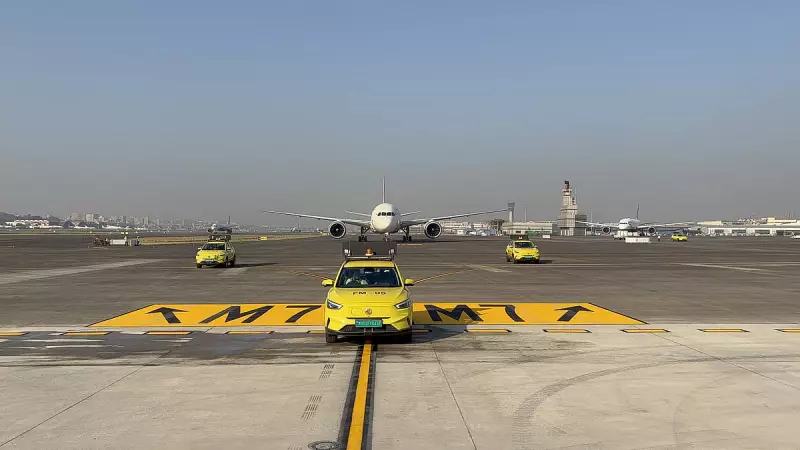
In a significant move to bolster its infrastructure, Mumbai's Chhatrapati Shivaji Maharaj International Airport (CSMIA) has officially commissioned a new taxiway, marking a key step in enhancing its operational capabilities.
New Taxiway M Becomes Operational
The airport announced that Taxiway M is now fully operational. This critical piece of airside infrastructure was commissioned to address the growing traffic demands at one of India's busiest aviation hubs. The development was officially noted as of 01 January 2026, as reported by Mrityunjay Bose.
Strategic Impact on Airport Operations
The primary objective behind activating Taxiway M is to substantially strengthen the airport's airside capacity and overall operational resilience. With this new taxiway in service, CSMIA is strategically positioned to more efficiently manage existing air traffic volumes. Furthermore, it creates essential headroom to accommodate future growth in flight operations.

The direct benefits for passengers and airlines are multifaceted:
- Smoother Operations: Reduced taxiing times and optimized aircraft movement on the ground.
- Enhanced Safety: Improved traffic flow reduces congestion and potential bottlenecks on the airfield.
- Greater Reliability: The added infrastructure provides a buffer, making airport operations more dependable, especially during peak hours.
Building for Mumbai's Aviation Future
This upgrade is not just about solving present-day challenges but is a forward-looking investment. By expanding its airside capacity, CSMIA is proactively preparing for the anticipated increase in air travel demand. The commissioning of Taxiway M ensures that Mumbai's premier international gateway continues to function as a world-class facility, capable of supporting the city's and the nation's economic ambitions with greater efficiency and resilience.






