

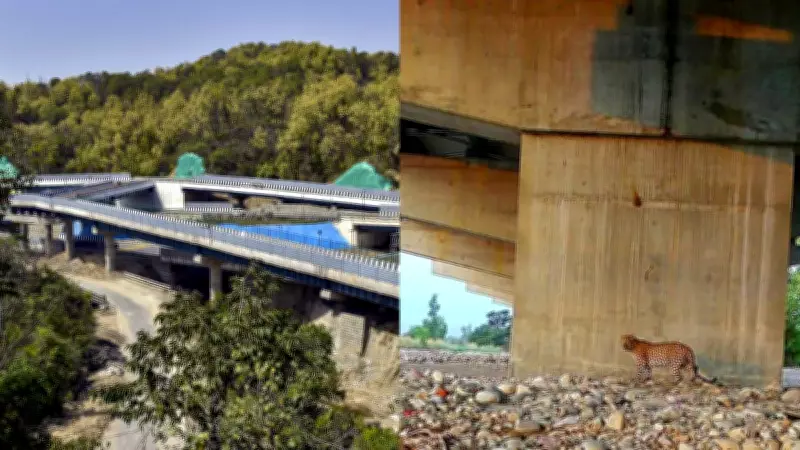
Delhi-Dehradun Expressway to Revolutionize Travel with 2.5-Hour Journey and Major Wildlife Protection
The much-anticipated Delhi-Dehradun Expressway is poised to transform connectivity between the national capital and the picturesque hill city of Dehradun, slashing travel time dramatically to just 2.5 hours upon its expected completion in 2026. This ambitious infrastructure project, currently under rapid development, represents a significant leap forward in India's road network, promising enhanced efficiency and reduced congestion for commuters and tourists alike.
Key Features and Innovations of the Expressway
At the heart of this expressway's design is a commitment to balancing progress with environmental stewardship. One of its most notable features is the inclusion of Asia's longest elevated wildlife corridor, strategically constructed to safeguard local fauna and their natural habitats. This innovative structure allows animals to cross safely over the expressway, mitigating the risk of road accidents and preserving biodiversity in the region.
In addition to the wildlife corridor, the expressway will incorporate advanced engineering elements such as multiple lanes, modern rest areas, and state-of-the-art safety systems. These enhancements are expected to not only expedite travel but also improve overall road safety, making the journey smoother and more reliable for all users.

Toll Charges and Economic Implications
With the introduction of the Delhi-Dehradun Expressway, new toll charges have been announced, reflecting the project's scale and the benefits it offers. While specific rates may vary based on vehicle type and distance, the toll system is designed to support the maintenance and operational costs of the expressway, ensuring its long-term sustainability. This development is anticipated to boost economic activity by facilitating faster movement of goods and people, potentially spurring growth in tourism, trade, and local industries along the route.
Project Timeline and Broader Impact
Scheduled for completion by 2026, the expressway aligns with broader national efforts to upgrade transportation infrastructure under initiatives like the Bharatmala Pariyojana. By reducing travel time from the current average of 5-6 hours to a mere 2.5 hours, it is set to redefine regional connectivity, offering a more efficient alternative to existing routes. This project underscores India's focus on sustainable development, combining cutting-edge technology with ecological conservation to meet the needs of a growing population while protecting natural resources.






