

Delhi EV Policy Lauded as Progressive, Yet Requires Enhanced Clarity on Key Aspects
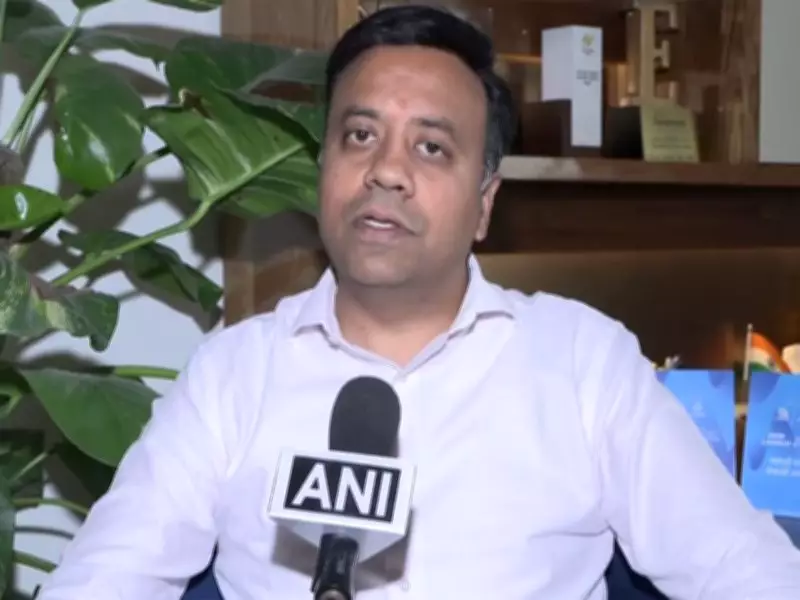
Delhi's electric vehicle (EV) policy has been commended by industry leaders for its forward-thinking approach, but significant gaps remain in areas such as financing and battery-as-a-service models, according to Ayush Lohia, CEO of Youdha. In a recent assessment, Lohia highlighted the policy's potential to drive EV adoption in the national capital while urging policymakers to address ambiguities that could hinder its effectiveness.
Policy's Vision and Implementation Challenges
The Delhi EV policy, introduced to promote cleaner transportation and reduce air pollution, includes incentives like subsidies, charging infrastructure development, and registration benefits. Lohia praised these measures as "future-looking" and aligned with global sustainability trends. However, he emphasized that without clear guidelines on financing options, consumers and businesses may face barriers in transitioning to electric mobility. "The policy sets a strong foundation, but we need more transparency in how financing mechanisms will work to make EVs accessible to a broader audience," Lohia stated.
Financing and Battery-as-a-Service: Critical Areas for Improvement
One of the major concerns raised by Lohia revolves around the lack of detailed frameworks for financing EVs. He pointed out that while subsidies exist, the availability of affordable loans and leasing options is crucial for mass adoption. Additionally, the concept of battery-as-a-service (BaaS) – where users can swap batteries instead of charging them – requires clearer regulatory support. "Battery-as-a-service can revolutionize EV usage by reducing upfront costs and addressing range anxiety, but the policy needs to outline how this model will be integrated and regulated," he explained.

Lohia also noted that uncertainties in these areas could deter investors and manufacturers from fully committing to the Delhi market. He suggested that the government collaborate with financial institutions and tech companies to develop standardized protocols for financing and BaaS, ensuring a seamless experience for all stakeholders.
Industry Impact and Future Prospects
The Delhi EV policy is part of a broader push towards electrification in India, with similar initiatives in other states. Lohia's insights underscore the importance of not just launching policies but also refining them based on industry feedback. By addressing financing and battery service issues, Delhi could set a benchmark for other regions, accelerating the nationwide shift to electric vehicles.
In conclusion, while the Delhi EV policy is a step in the right direction, its success hinges on providing clarity and support in key operational areas. As Lohia summarized, "A clear roadmap for financing and battery services will unlock the policy's full potential, making Delhi a leader in the EV revolution."






