

Delhi's Industrial Employment Shows Gradual Uptick Amid Uneven Post-Pandemic Recovery
New Delhi: The industrial workforce in Delhi has experienced a modest increase in recent years, signaling a slow and uneven recovery in the capital's manufacturing sector following the Covid-19 pandemic. According to the latest government data, employment in registered factories rose from just over 4 lakh in 2020 to 4.1 lakh in 2024, while the number of units grew from 8,643 to 8,869.
New Factories Fail to Generate Proportional Job Growth
A senior government official noted that this trend suggests new factories are not creating jobs in proportion to their establishment. This could be attributed to either higher capital intensity or limited scale of expansion, raising concerns about the quality of industrial growth in the region.
Sectoral Analysis Reveals Concentrated Job Gains
A closer examination of the data indicates that job growth is not broad-based but concentrated in specific sectors. For instance:

- Rubber and plastics units saw employment rise from 16,942 in 2020 to 19,111 in 2024.
- Repair services grew from 12,691 to 15,503 workers.
Another official explained that these gains point to a demand-led expansion in select segments linked to consumption and maintenance services, reflecting changing economic patterns.
Beverages and Tobacco Sector Shows Sharp Increase
The beverages and tobacco sector recorded a significant jump in jobs, from 1,913 to 2,680, suggesting higher labor absorption despite having a smaller industrial base. This highlights how certain niches are outperforming others in job creation.
Traditional Sectors Experience Stagnation
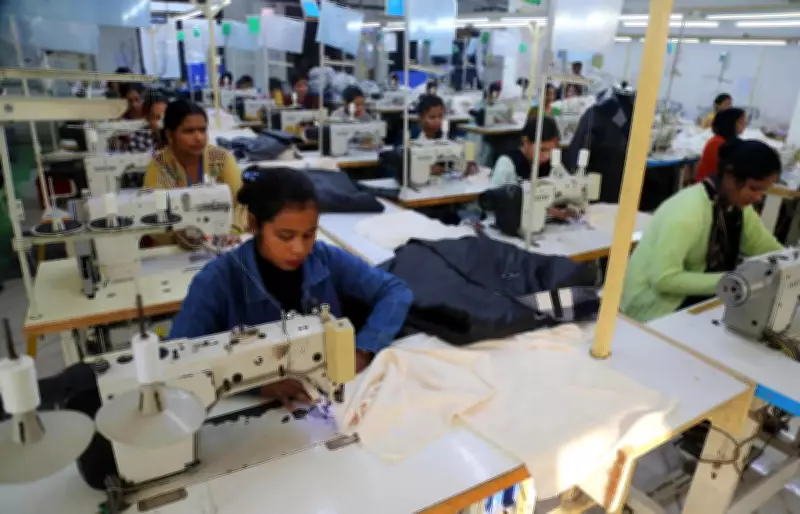
In contrast, opportunities in traditional, labor-intensive sectors appear to have plateaued. The textile sector, which accounts for the largest number of factories at around 1,500 in Delhi, remained flat at just over 1 lakh workers, indicating stagnation and limited fresh hiring. This is particularly significant as textiles have historically been a major source of employment in the city's industrial ecosystem.
Other Manufacturing Segments Show Stability Over Growth
Other core manufacturing segments also exhibit signs of stability rather than robust growth:
- Chemicals remained unchanged at 172 factories with employment around 7,019 between 2020 and 2024.
- Metal products and machinery units continued to employ roughly 30,000 workers during the same period.
- Paper and printing recorded only a marginal increase in jobs from 22,940 to 23,915, reinforcing the trend of incremental, rather than expansionary, growth.
Structural Shift Towards Logistics and Supply Chain
Simultaneously, a sharp rise in the number of wholesale trade-linked units—from two to 41—and employment increasing from 105 to 1,283 workers point to a structural shift towards logistics and supply chain activities. The official said this suggests that part of Delhi's industrial growth may be moving away from traditional manufacturing towards distribution-led operations, reflecting broader economic transformations.
Overall, the data underscores a complex recovery landscape for Delhi's industrial sector, with job creation lagging behind unit expansion and growth concentrated in non-traditional areas, raising questions about future employment sustainability.






