Nationwide Strike Called for February 12 Against Labour Law Changes
In a significant show of dissent, farmers and workers across India are gearing up for a nationwide strike on February 12. The protest targets the central government's recent moves, including the repeal of 29 major labour laws, the introduction of four labour codes, and amendments to key employment and agricultural schemes.
Mangaluru and Dakshina Kannada to Witness Widespread Disruptions
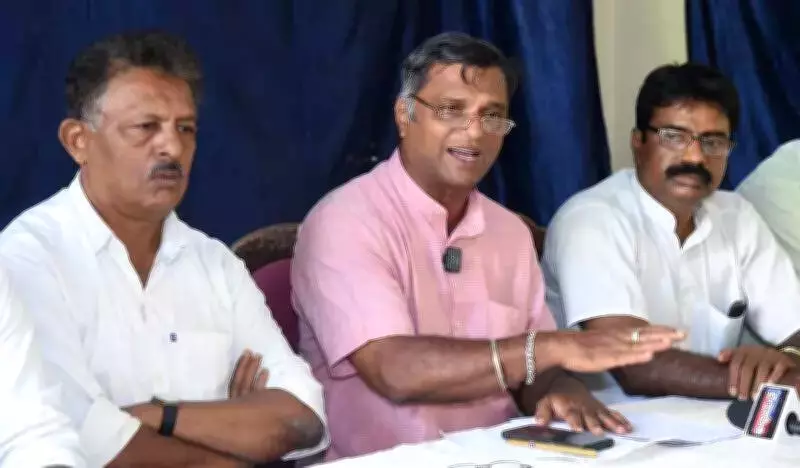
According to Sunil Kumar Bajal, the CITU district general secretary, the strike will manifest as extensive road blockades throughout Dakshina Kannada. Speaking to reporters in Mangaluru on Wednesday, Bajal revealed that over 25 locations, including taluk and zonal centres, will see simultaneous blockades starting at 9 am on the strike day.
He emphasized that the protest will draw participation from a diverse cross-section of society. "Hundreds of workers, farmers, students, youth, women, Dalits, and tribals, along with conscious citizens of the district, will join the road blockades," Bajal stated.

Pre-Strike Vehicle Rally to Amplify Message
To build momentum and inform the public, a three-day vehicle rally is scheduled across Dakshina Kannada on February 5, 6, and 7. The rally will be inaugurated at 9:30 am on Thursday near Lady Goschen Hospital in Mangaluru.
The event will be inaugurated by Phanindra K, the All India general secretary of the Karnataka Bank Employees Association, with state leaders Vincent D'Souza and BM Madhava as guests. The rally will traverse all taluks of Dakshina Kannada, concluding at 6 pm on February 7 in Yeyyadi.
Criticism of Labour Law Reforms
Seetharama Berinja, AITUC district general secretary, criticized the government's actions, alleging that the repeal of 29 laws is designed to "weaken the working class, destroy labour rights, suppress labour movements, and protect corporate interests." He pointed out that the four labour codes, set to be implemented from November 21, 2025, under a business-friendly guise, threaten to roll back hard-won rights.
Berinja listed the endangered rights, which include:
- Minimum wages
- Limits on work hours
- The right to organise and strike
- Social security laws
He argued that these codes undermine the protections secured by workers through decades of struggle since Independence.
Concerns Over Employment and Agricultural Policies
Adding to the grievances, K Yadava Shetty, a leader of the Karnataka Prantha Raitha Sangha, highlighted issues with the Mahatma Gandhi National Rural Employment Guarantee Scheme (MGNREGS). He noted that the scheme has been renamed and that the new law could "severely impact the lives of rural people suffering from high unemployment."
Shetty warned that the amendments might shift the financial burden onto states, exacerbating the challenges faced by rural communities. The protest also targets other contentious measures, such as the seed bill and electricity bill, which are seen as detrimental to farmers' interests.
As the strike date approaches, the organizing trade unions are mobilizing support to ensure a strong turnout, reflecting widespread discontent over these policy changes.