

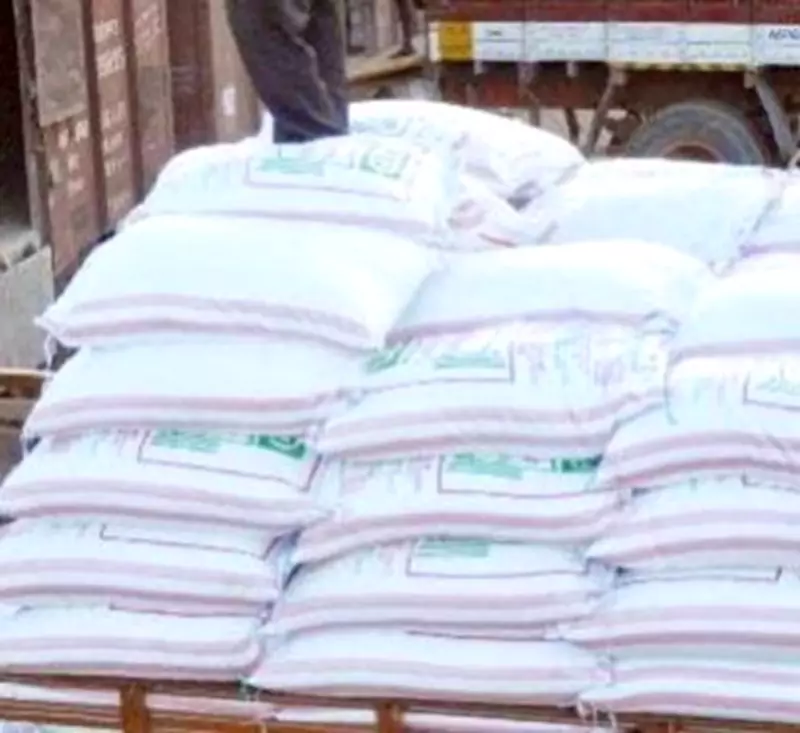
India has significantly increased domestic fertiliser production over the past 12 years while amassing record inventories for the forthcoming kharif season, aiming to shield farmers from global supply disruptions and price volatility, according to government data released on Sunday.
Record Production and Capacity Expansion
The Department of Fertilisers reported that since 2014, six new urea plants have become operational, adding 76.2 lakh metric tonnes (LMT) of annual capacity. Two additional plants are scheduled to commence operations shortly. Urea output rose from 225 LMT in 2014–15 to a record 314.07 LMT in 2023–24, remaining above 306 LMT in 2024–25. Phosphatic and potassic (P&K) fertiliser production also reached a record 211.22 LMT in 2024–25, up from 159.54 LMT a decade earlier.
Supply Security Amid Global Challenges
The government stated that it swiftly addressed disruptions caused by conflict in West Asia and delays in international shipping routes by securing alternative supply channels and collaborating with foreign producers. With supplies of approximately 196 LMT already in place against an expected seasonal requirement of 383.9 LMT—more than 51% of projected demand—fertiliser availability for kharif 2026 remains adequate.

Stable Prices for Farmers
Despite skyrocketing global prices, the Centre noted that farmers' fertiliser costs have barely changed. A 50-kg bag of DAP is available for Rs 1,350 due to government subsidies, while a 45 kg bag of urea continues to be sold at Rs 266.50.
Shift Toward Sustainable Farming
The transition to sustainable agriculture has accelerated. Under the guidance of Krishi Vigyan Kendras, green manuring was implemented on 1.84 lakh hectares. Sales of organic alternatives, including Phosphate-Rich Organic Manure, Liquid FOM, and Fortified Organic Manure, surged sevenfold in 2025–26 compared to the previous year.
According to government data, increased local production, prudent imports, and substantial stocks have ensured a steady fertiliser supply, reducing import dependence and bolstering India's efforts toward self-sufficiency in this domain.






