

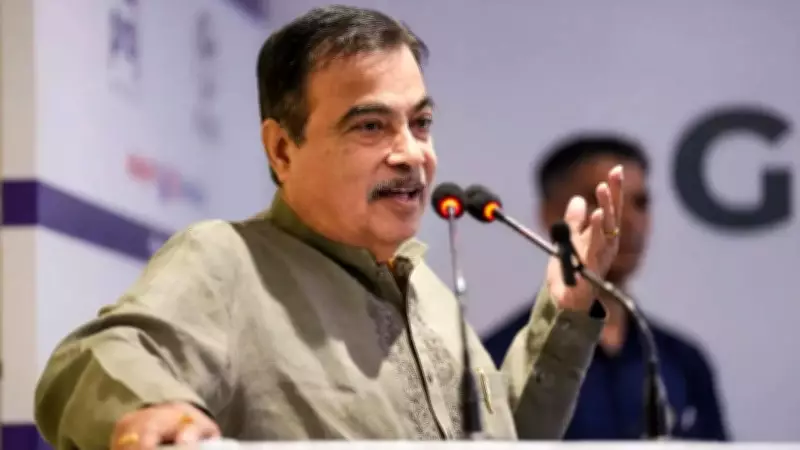
Gadkari Takes Aim at Carmaker Lobbying Over CAFE-3 Fuel Efficiency Standards
In a pointed critique of automotive industry efforts to shape upcoming fuel efficiency regulations, Road Transport Minister Nitin Gadkari on Tuesday accused car manufacturers of engaging in behind-the-scenes lobbying to influence policy, contrasting their actions with the public exposure faced by political leaders. Speaking at the Indian Federation of Green Energy's Green Transport Conclave in New Delhi, Gadkari highlighted the ongoing controversies surrounding the CAFE-3 norms, which are set to govern vehicle fuel efficiency for the next five years.
Minister Highlights Transparency Gap Between Politics and Industry
Nitin Gadkari emphasized that while politicians operate in a fully open environment where their actions are scrutinized, industries often campaign discreetly without facing similar public exposure. "The file on CAFE-3 will come to me in the next 15 days. I don't want to say what has happened. There have been controversies. In politics, we get exposed because we are 100% open. Industries don't get exposed as they campaign behind," Gadkari stated, shedding light on the opaque nature of corporate influence on policy-making.
Indications of Parity for Flex-Fuel Hybrids with Electric Vehicles
During his address, Gadkari also signaled potential regulatory parity between flex-fuel hybrid cars and electric vehicles (EVs), suggesting a shift in the government's approach to incentivizing greener transportation technologies. This move could significantly impact the automotive market by leveling the playing field for alternative fuel vehicles.

SIAM's Push for Enhanced Credits and Carry-Forward Provisions
Meanwhile, it has been learned that the Society of Indian Automobile Manufacturers (SIAM), the apex industry body, has formally requested the government to increase derogation or supercredit allowances under CAFE-3. In a letter to Power Secretary Pankaj Agarwal, SIAM proposed:
- Four credits for electric vehicles (EVs)
- Three credits for range-extended electric vehicles and plug-in hybrid electric vehicles
- 1.5 credits for flex-fuel vehicles
Additionally, carmakers have urged authorities to permit the carry-over of credit points earned during the first three-year compliance block to the subsequent two-year period, arguing that this flexibility is crucial for meeting long-term emission and energy efficiency targets.
CAFE-3 Framework and Industry Stance
The proposed CAFE-3 norms, which will be effective for five years, include mechanisms for pooling compliance across manufacturers and allowing the carry-forward of credits within designated blocks—initially three years, followed by two years. However, any surplus credits are set to lapse at the end of each block, adding pressure on automakers to optimize their efficiency strategies.
Despite the behind-the-scenes lobbying efforts, car manufacturers have publicly maintained alignment with the latest version of the government's CAFE-3 proposal, presenting a unified front in support of the regulatory framework while seeking adjustments through official channels.






