

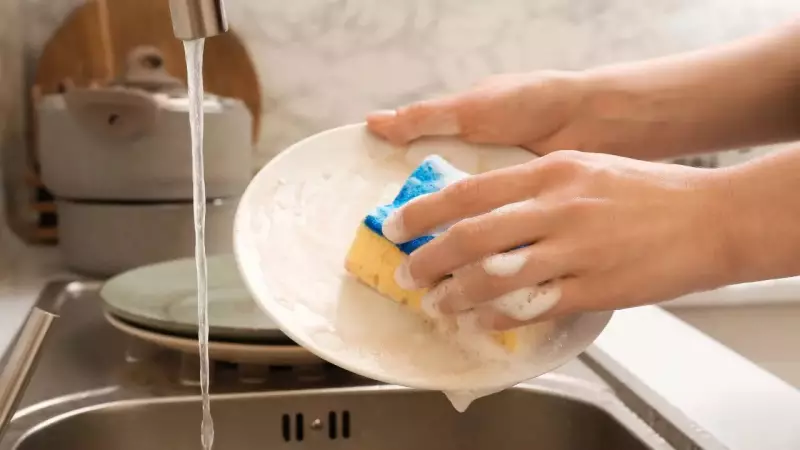
For millions of Indian households, washing dishes by hand remains a daily ritual. Yet, the humble dish soap has undergone a quiet revolution, driven by consumer demands for powerful grease-cutting action, rich and lasting lather, and formulas that are gentle on both skin and delicate kitchenware. This evolution has pushed manufacturers to innovate, turning to multifunctional ingredients like glycerin to create the next generation of effective and user-friendly cleaning products.
The Rise of Glycerin as a Cleaning Powerhouse
Glycerin, also known as glycerol, is a versatile substance long valued in food, pharmaceuticals, and cosmetics. However, its role in cleaning has been elevated through chemical transformation into compounds known as glycerol sulfates. A study published in the journal Tenside Surfactants Detergents highlights how these modified forms of glycerin become active cleaning agents rather than mere additives.
The secret lies in their amphiphilic nature. Glycerol sulfates possess a molecular structure with one part that attracts water (hydrophilic) and another that attracts oil and grease (lipophilic). This dual affinity allows them to interact simultaneously with water and oily food residues stuck on plates. The result is effective emulsification, where fats are broken down into tiny droplets that can be easily washed away, all while the detergent remains soluble in water.

Why Glycerol-Based Soaps Excel at Manual Dishwashing
The performance of these advanced surfactants is most evident at the critical interface where water, air, and dish surface meet. Their primary function is to reduce the surface tension of water, allowing the cleaning solution to spread easily and wet plates, pots, and cutlery completely. This improved wetting ensures the solution reaches every bit of stuck-on food.
Furthermore, glycerol sulfates are exceptional at generating a stable, copious foam. This isn't just about aesthetics; the thick, long-lasting lather plays a crucial practical role. It helps distribute surfactant molecules evenly across the washing surface and, most importantly, keeps the loosened grease and soil suspended in the wash water, preventing them from redepositing onto already cleaned items. This leads to more efficient cleaning with less effort and ensures thorough rinsing without leaving streaks or residue.
Safety and Care for All Kitchenware Types
Indian kitchens boast a diverse array of materials, from everyday stainless steel and glazed ceramics to delicate glassware and heirloom silver cutlery. A key advantage of glycerol-based formulations is their ability to balance powerful cleaning with material compatibility. These detergents are engineered to be effective without being overly harsh or abrasive.
This balance is vital for preserving the appearance and integrity of fine items. The chemistry of glycerol sulfates contributes to a reduced abrasive action, helping maintain the shine of glass and ceramic finishes. They also have a lower tendency to accelerate tarnishing on silver and silver-plated utensils, making them a safer choice for mixed loads that include both everyday and decorative pieces.
Maximizing Your Dishwashing Results
To get the most out of glycerol-based dishwashing liquids, a few simple techniques can enhance their performance. Diluting a small amount in warm water helps activate the surfactants. For heavily soiled pots, applying a drop directly to the greasy area before scrubbing aids in initial grease loosening. Gentle scrubbing increases foam formation and surface coverage, while a short soaking period can help with dried or baked-on foods. Finally, a thorough rinse under running water ensures all suspended grease and foam are completely removed, leaving dishes spotless.
The shift towards glycerin-enhanced detergents reflects a broader trend in home care: the demand for products that are multifunctional, efficient, and aligned with practical daily routines. By offering a combination of strong cleaning power, skin mildness, and material safety, these advanced formulations are redefining the humble task of washing dishes by hand.






