

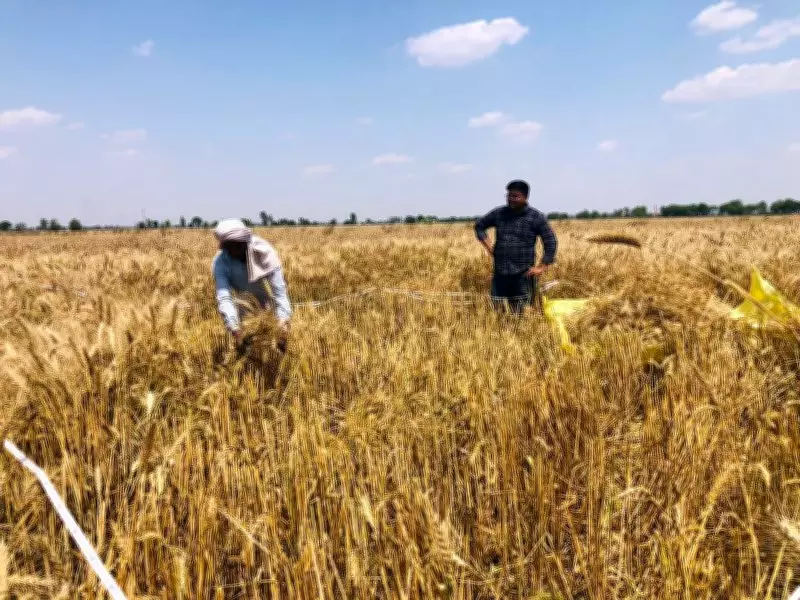
Haryana Initiates Crop Cutting Experiments for Wheat Output Assessment
The state of Haryana has launched a series of crop cutting experiments to evaluate the wheat production for the current agricultural season. This initiative aims to provide accurate data on harvest yields, which is crucial for planning and policy-making in the agricultural sector.
Objectives and Methodology of the Experiments
The crop cutting experiments are being conducted across various districts in Haryana to ensure a representative sample of wheat fields. Officials are using standardized techniques to measure crop yields, including random sampling and physical harvesting of plots. This process helps in estimating the total wheat output with high precision.
Key aspects of the experiments include:

- Selection of multiple sites to cover diverse agricultural zones.
- Involvement of agricultural experts and local farmers in the process.
- Use of scientific methods to minimize errors in yield estimation.
Importance for Agricultural Planning
Accurate assessment of wheat production is vital for Haryana's economy, as agriculture is a major contributor to the state's GDP. The data from these experiments will inform government schemes, market strategies, and food security measures. It also aids in forecasting supply and demand, which can impact pricing and distribution.
The results are expected to be released in the coming weeks, providing insights into this year's harvest performance.
Broader Implications for Farmers and Policy
Farmers in Haryana stand to benefit from the findings, as they can guide decisions on crop management and sales. Additionally, the state government uses this information to tailor support programs, such as subsidies and insurance schemes, to better serve the agricultural community.
This proactive approach underscores Haryana's commitment to enhancing agricultural productivity and sustainability through data-driven initiatives.






