Rice industry leaders challenge HSPCB order, warn of job losses
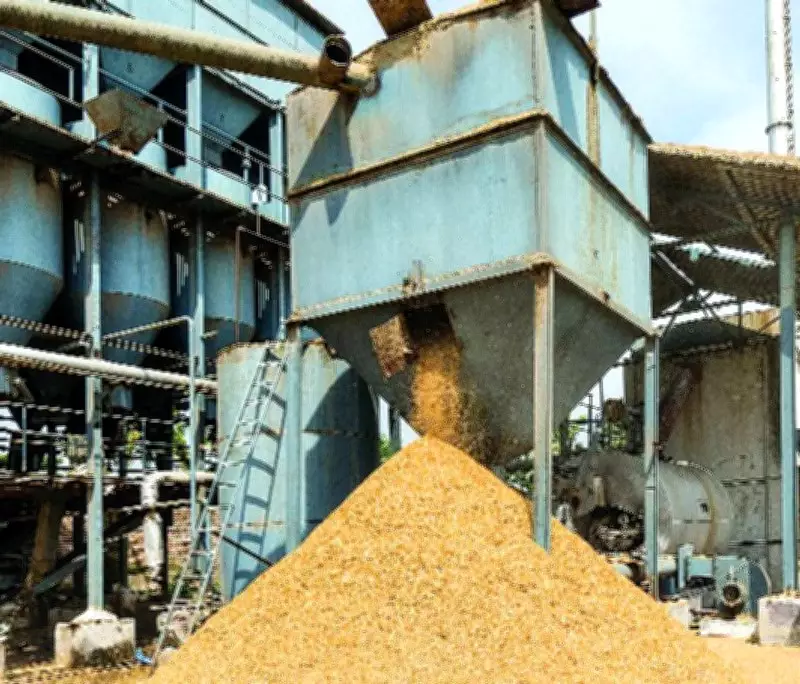
Rice millers, dealers, and exporters in Haryana have raised serious concerns over the Haryana State Pollution Control Board’s (HSPCB) July 7 order that mandates the installation of zig-zag or spiral staircases in rice mills and threatens closure for non-compliance. The industry has appealed to the Commission for Air Quality Management (CAQM) to adopt a more practical timeline, seeking a deadline of March 31, 2027, to complete the structural modifications.
The HSPCB directive warns of closure action against units that fail to install the required staircases, which are intended to reduce emissions by improving air flow in the milling process. However, industry representatives argue that the order, if enforced immediately, could have devastating consequences for the rice sector, farmers, and thousands of workers.
Meeting in Karnal highlights industry concerns
Sushil Jain, president of the Haryana Rice Exporters Association, stated after a meeting in Karnal two days ago that the industry is committed to environmental compliance but needs reasonable time. “We have urged the CAQM to replace immediate closure action with a reasonable compliance deadline so that industries can complete the required modifications,” Jain said. He also proposed a deemed permission mechanism: units that upload proof of compliance on the online portal should be allowed to continue operations, with physical verification carried out later by authorities.

Shortage of skilled labour and materials cited as hurdles
Vijay Setia, former president of the All India Rice Exporters Association (AIREA), highlighted practical challenges such as shortages of skilled labour and construction materials needed for the structural changes. “Sudden closure of mills could render thousands of workers jobless as each rice mill employs between 100 and 1,000 workers,” Setia warned. He noted that the rice export sector relies heavily on migrant labour, and if workers return to their native states due to mill closures, it will be extremely difficult to bring them back during the paddy season.
Procurement season at risk
Setia further cautioned that shutting down rice mills during the procurement season could disrupt government paddy procurement, harm farmers, and affect exports. “If mills remain closed during procurement, the allotment of paddy for custom-milled rice (CMR) will be disrupted. Freshly harvested paddy contains high moisture and must be dried within 24 hours to maintain its quality. Any delay in processing could lead to deterioration in quality, causing losses to farmers and affecting rice exports,” he added.
Industry seeks balanced approach from CAQM
“We fully support measures aimed at protecting the environment. We hope the CAQM adopts a balanced approach that safeguards environmental objectives while protecting the interests of industries, farmers and workers,” Setia said. He urged the CAQM to consult stakeholders while framing new policies so that practical challenges at the ground level are taken into account.
Referring to Karnal’s location, Setia said the district is over 125 km from the national capital and should be placed in Category C of the National Capital Region (NCR), as assured by Union Minister Manohar Lal Khattar, so that it can get relief from strict norms.
Millers demand simple, practical rules
Saurabh Gupta, president of the Karnal Rice Millers and Dealers Association, said the industry is already under stress and the threat of closure would discourage millers from entering into CMR contracts. “We want simple and practical rules that protect both the environment and the interests of rice millers,” he said.