India Introduces Standards for Green Ammonia and Methanol to Boost Hydrogen Trade
In a significant move to advance its clean energy agenda, India has announced the establishment of new standards for green ammonia and methanol. This initiative aims to accelerate the trade of green hydrogen derivatives, positioning the country as a key player in the global renewable energy market. The standards are designed to ensure consistency, quality, and sustainability in the production and export of these eco-friendly fuels.
Key Objectives of the New Standards
The primary goal of these standards is to streamline the trade of green hydrogen derivatives by providing clear guidelines for their production and certification. Green ammonia and methanol are crucial derivatives of green hydrogen, which is produced using renewable energy sources like solar and wind power. By setting these standards, India seeks to:
- Enhance Market Confidence: Establish trust among international buyers and investors by ensuring that products meet stringent environmental criteria.
- Promote Sustainable Practices: Encourage the adoption of renewable energy in industrial processes to reduce carbon emissions.
- Facilitate Global Trade: Simplify cross-border transactions by aligning with international norms and reducing trade barriers.
Impact on India's Energy Sector and Economy
This announcement is expected to have far-reaching effects on India's energy sector and broader economy. By promoting the trade of green hydrogen derivatives, the country can:

- Boost Export Opportunities: Tap into the growing global demand for clean fuels, potentially increasing revenue from green energy exports.
- Support Domestic Industries: Provide a framework for local manufacturers to produce and sell green ammonia and methanol, fostering innovation and job creation.
- Achieve Climate Goals: Contribute to India's commitments under international agreements like the Paris Accord by reducing reliance on fossil fuels.
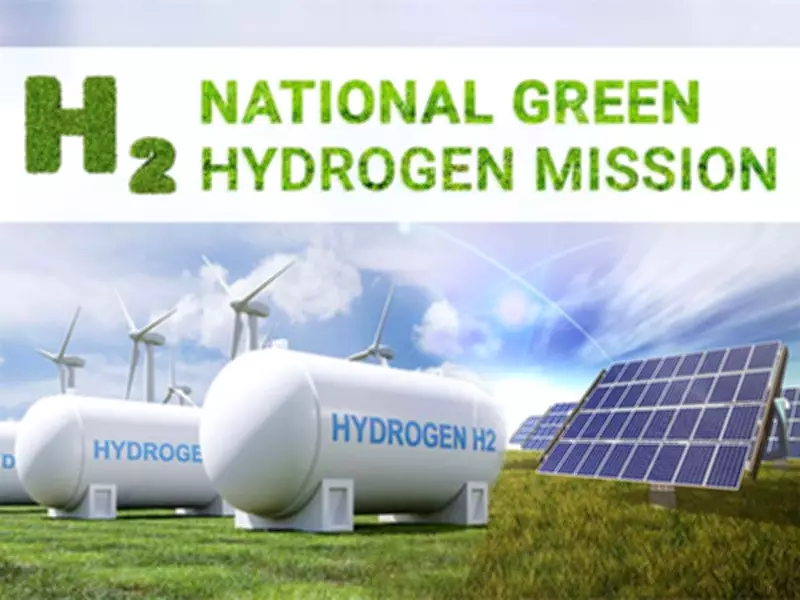
The standards are part of India's broader strategy to become a leader in the green hydrogen economy, which includes initiatives like the National Green Hydrogen Mission launched earlier. This move aligns with global trends towards decarbonization and sustainable development, as countries worldwide seek alternatives to traditional energy sources.
Challenges and Future Prospects
While the introduction of standards is a positive step, challenges remain in scaling up production and ensuring cost competitiveness. However, with government support and private sector investment, India is poised to overcome these hurdles. The future looks promising, as the standards could pave the way for increased collaboration with other nations and drive technological advancements in renewable energy.
In conclusion, India's announcement of green ammonia and methanol standards marks a pivotal moment in its journey towards a cleaner energy future. By accelerating the trade of green hydrogen derivatives, the country not only enhances its economic prospects but also contributes significantly to global environmental sustainability.