India Maintains Robust Energy Supply Chain Despite Hormuz Strait Concerns
In a significant development, government sources have affirmed that India is in a very comfortable position regarding its oil and liquefied petroleum gas (LPG) supplies, even as tensions escalate around the Hormuz Strait. This strategic waterway, a critical chokepoint for global energy shipments, has been a focal point of geopolitical risks, but Indian authorities express confidence in their preparedness.
Strategic Reserves and Diversified Sources Bolster Security
The assurance stems from India's proactive measures to enhance energy security. Key factors include:
- Substantial Strategic Petroleum Reserves (SPRs): India has built up significant reserves that can cushion against supply disruptions. These SPRs are designed to provide a buffer during emergencies, ensuring continuity in fuel availability.
- Diversified Import Sources: India has strategically diversified its oil and LPG import sources beyond the Middle East. By engaging with suppliers from regions like Africa, the Americas, and Russia, the country reduces dependency on any single corridor, including the Hormuz Strait.
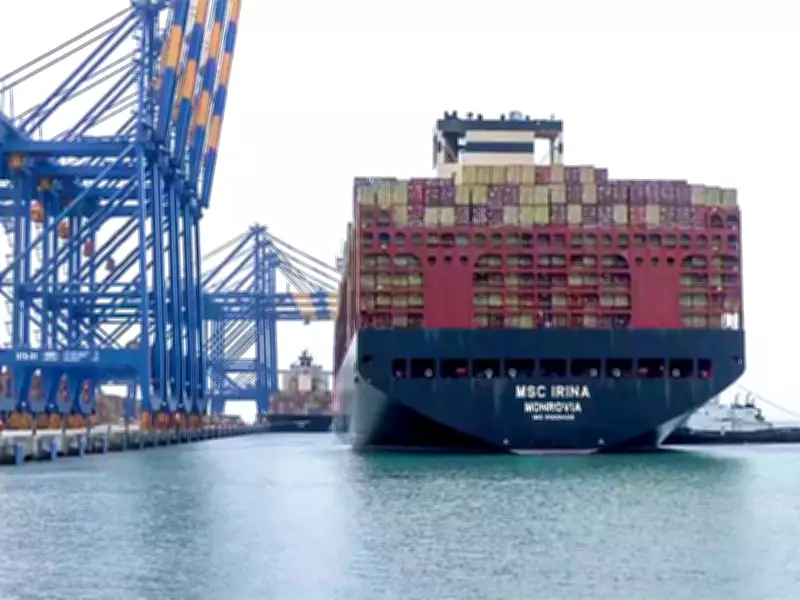
- Enhanced Logistics and Storage Infrastructure: Investments in port facilities, pipelines, and storage terminals have improved the resilience of India's supply chain, allowing for smoother handling of imports even under strained conditions.
Government sources emphasize that these measures collectively mitigate risks associated with the Hormuz Strait, where approximately one-fifth of the world's oil passes through. Recent geopolitical tensions in the area have raised concerns globally, but India's strategic planning appears to have paid off.

Implications for the Economy and Consumers
The stable supply outlook has positive implications for India's economy and its citizens:
- Price Stability: With assured supplies, the likelihood of sudden price spikes in petroleum products and LPG is minimized, benefiting both industries and households.
- Energy Security: This confidence reinforces India's energy security framework, crucial for sustaining economic growth and meeting the demands of a rapidly expanding population.
- Global Positioning: India's ability to navigate such risks enhances its standing as a resilient player in the global energy market, potentially attracting more investment in the sector.
While the government sources did not disclose specific contingency plans, they hinted at ongoing monitoring and coordination with international partners to ensure seamless operations. The focus remains on preemptive action rather than reactive measures, aligning with India's broader energy policy goals.
In summary, despite the looming concerns over the Hormuz Strait, India's strategic foresight and infrastructural advancements have positioned it favorably to maintain uninterrupted oil and LPG supplies. This development underscores the importance of diversified energy strategies in an increasingly volatile global landscape.