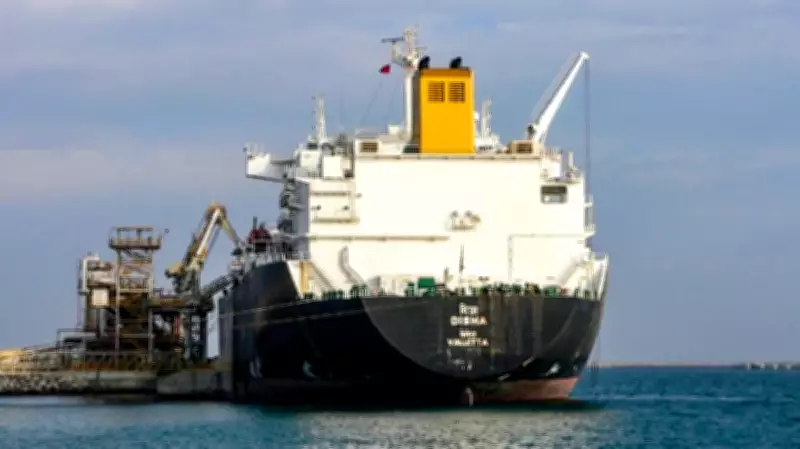
India is actively diversifying its liquefied natural gas (LNG) sourcing strategy in response to ongoing geopolitical tensions in the Gulf region, according to a note by rating agency ICRA. The move aims to reduce dependency on supplies transiting through the Strait of Hormuz, a critical chokepoint for global energy trade.
Impact of Hormuz closure on energy markets
The rating agency noted that the effective closure of the Strait of Hormuz resulted in a 15 million barrels per day (bpd) cut in Gulf liquids production, severely disrupting global energy flows. This has prompted Indian buyers to seek alternative sources, including spot purchases from the United States, Africa, and Southeast Asia.
According to industry data, India's LNG imports from the Gulf region fell by nearly 12% in the first half of 2026 compared to the same period last year, while imports from non-Gulf suppliers rose by 18%. ICRA highlighted that India's diversified LNG portfolio now includes long-term contracts with suppliers in Australia, Russia, and the U.S., as well as increased spot market activity.

Strategic measures to ensure energy security
Indian state-owned companies such as GAIL and Petronet LNG have been actively securing alternative supply agreements. In recent months, GAIL signed a term deal with an African producer, while Petronet expanded its regasification capacity to handle diverse cargoes. The government has also encouraged the use of floating storage and regasification units to mitigate supply risks.
ICRA further stated that these measures are crucial for India, which is the world's fourth-largest LNG importer. The country's gas demand is expected to grow by 6-8% annually, driven by city gas distribution networks and industrial consumption. Ensuring supply stability remains a top priority for policymakers.
Outlook and challenges
While diversification has helped buffer against Gulf disruptions, challenges remain. Spot LNG prices have been volatile, and long-term contracts may require renegotiation of pricing terms. Additionally, infrastructure bottlenecks at Indian ports could limit the speed of diversification. Nonetheless, ICRA believes that India's proactive approach will strengthen its energy resilience in the medium to long term.