

India Ramps Up Commercial LPG Supply to Support Key Industrial Sectors
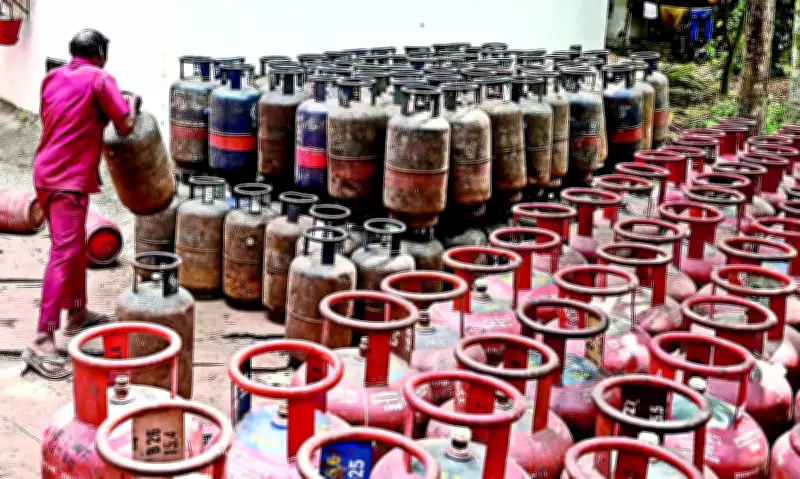
In a significant move to bolster industrial productivity, the Ministry of Petroleum and Natural Gas announced on Friday a 20% increase in the allocation of commercial liquefied petroleum gas (LPG) to states across India. This enhancement aims to address the rising demand from critical industrial units, including steel, automobile, textile, dye, chemicals, and plastics, which are vital for the economy and support numerous essential sectors.
Eligibility Criteria for Additional LPG Quota
Petroleum Secretary Neeraj Mittal, in a letter addressed to the chief secretaries of all states and union territories, outlined strict eligibility requirements for accessing the additional LPG quota. Industrial units must be registered with oil marketing companies (OMCs), declare the end use of gas cylinders, and have signed up for the piped gas network to qualify. Mittal emphasized that this structured approach ensures efficient distribution and prevents misuse.
Priority will be given to labour-intensive industries and those with specialized heating needs that cannot be substituted by natural gas. This includes process industries where LPG is essential for operations, ensuring that sectors reliant on precise thermal applications are not disrupted.

Background and Previous Allocations
The Centre had initially halted commercial LPG cylinder supplies at the onset of recent conflicts but later resumed allocations. It started with 20% of the average monthly requirement, allowing states and UTs to prioritize distribution based on local needs. Subsequently, an additional quota of up to 10% was introduced for states implementing reforms and easing business conditions for city gas distribution companies to expand the piped gas network.
Another 20% allocation was later directed towards the hospitality sector, highlighting the government's adaptive strategy in managing energy resources. With the latest 20% increase, the total commercial LPG allocation has now reached 70% of pre-conflict levels, marking a substantial recovery in supply chains.
Encouraging State-Level Reforms
Mittal noted that several states have undertaken full or partial reforms to become eligible for the extra 10% quota linked to piped gas network expansion. He urged other states to expedite such reforms to avail of these benefits promptly, underscoring the importance of collaborative efforts between central and state governments in enhancing energy infrastructure.
This proactive measure is expected to stabilize industrial operations, support economic growth, and ensure that key sectors have the necessary fuel to maintain production levels amidst fluctuating demand.






