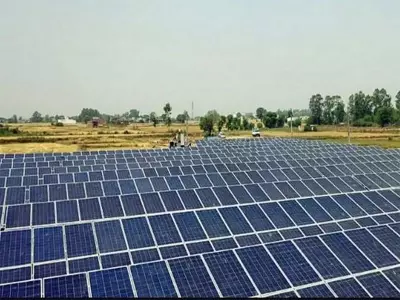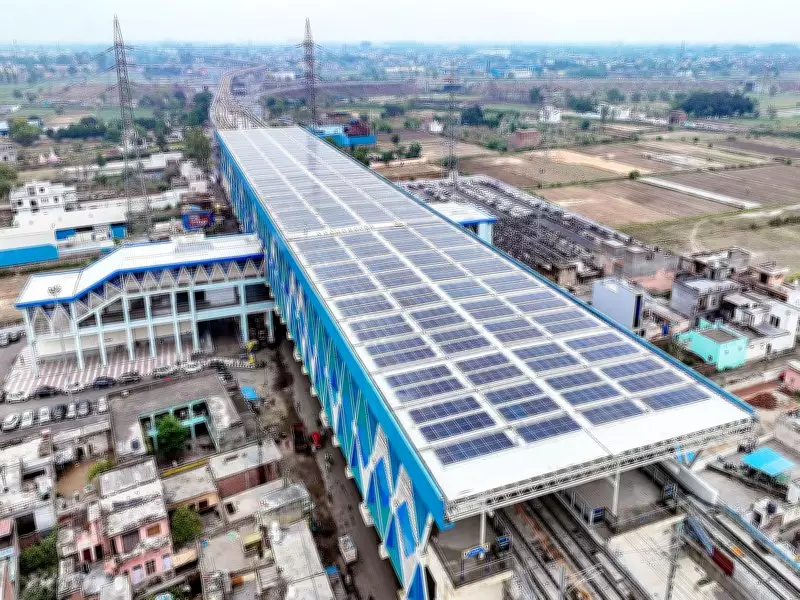
India's power sector is entering a new phase of supply strain during non-solar hours, according to a recent report from Citi. The report highlights that as solar capacity expands rapidly, the grid faces challenges in meeting evening peak demand when solar generation declines.
Key Findings from the Citi Report
The report notes that India's renewable energy capacity, particularly solar, has grown significantly in recent years. However, this growth brings with it the issue of intermittency. During non-solar hours, which typically include early morning and evening periods, the grid must rely on other sources such as coal, gas, or hydropower to meet demand. The strain is most acute during the evening peak, when solar generation falls sharply while demand remains high.
Impact on Coal and Gas Plants
The report emphasizes that coal-fired power plants, which have traditionally served as baseload power, are now required to ramp up and down more frequently to compensate for solar variability. This operational flexibility is not always available, leading to potential supply gaps. Similarly, gas-based plants, though more flexible, face fuel availability and cost issues.

Implications for Power Tariffs
According to Citi, the increased reliance on flexible generation sources during non-solar hours could lead to higher power purchase costs for distribution companies (discoms). This may eventually translate into higher tariffs for consumers, unless efficiency improvements or demand-side management measures are implemented.
Government Initiatives and Future Outlook
The Indian government has been promoting energy storage solutions, such as battery storage and pumped hydro, to address the intermittency challenge. The report suggests that large-scale deployment of storage could help mitigate the non-solar hour strain. Additionally, the government's push for round-the-clock renewable energy projects, which combine solar, wind, and storage, is a step in the right direction.
However, the report warns that without significant investment in storage and grid infrastructure, the strain on the power system during non-solar hours could worsen. The country's peak demand is expected to grow by 5-7% annually, further exacerbating the issue.
Conclusion
India's power sector is at a critical juncture. While the growth of solar capacity is commendable for environmental goals, it also necessitates a parallel focus on grid flexibility and storage. The Citi report serves as a timely reminder that the transition to renewables must be managed carefully to ensure reliable and affordable electricity supply for all.