India's Strategic Carbon Capture Initiative to Safeguard Steel Exports
The Indian government has unveiled a significant financial commitment to carbon capture technology, specifically targeting the steel sector, as a strategic move to mitigate the impact of the European Union's impending carbon tax. The Union budget for FY27 has earmarked ₹20,000 crore for this initiative, with steelmakers poised to be the primary beneficiaries. This allocation underscores India's proactive approach to addressing global climate regulations while protecting its export interests.
EU's CBAM and India's Steel Export Vulnerability
The European Union's Carbon Border Adjustment Mechanism (CBAM), which took effect on January 1, 2026, imposes additional taxes on carbon-intensive imports, posing a direct threat to India's steel exports. In 2025, India exported 8.6 million tonnes of steel, with the EU accounting for over 40% of these shipments, according to data from commodities market intelligence firm BigMint. This dependency highlights the urgency for India to develop effective countermeasures.
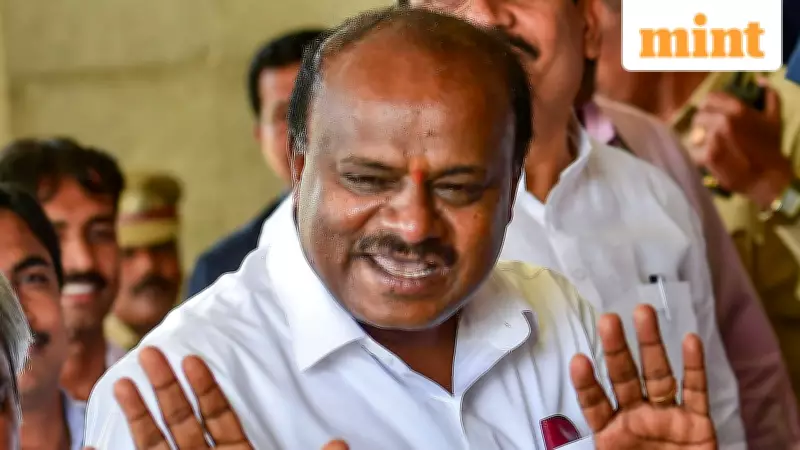
H.D. Kumaraswamy, Union Minister of Steel, emphasized the economic rationale behind the carbon capture push. "Carbon capture in India costs between ₹1,900 and ₹2,400 per tonne of carbon dioxide, approximately $20 to $26," he stated in an interview. "A policy study indicates that at least a 50% government subsidy is necessary to make this technology commercially viable for steel companies." This subsidy framework is designed to incentivize adoption without crippling industry finances.

Carbon Capture: A Practical Decarbonization Pathway
India's steel plants emit over 250 million tonnes of carbon dioxide annually, predominantly from coal-fed operations. Carbon capture technology enables companies to trap carbon dioxide before it enters the atmosphere, offering a relatively inexpensive and rapid method to reduce pollution without necessitating plant shutdowns. Kumaraswamy described it as a "practical middle path" that allows for immediate emission reductions while preparing for global climate mandates.
The initial implementation will focus on large steel plants, where carbon capture is more feasible, with plans to eventually develop shared infrastructure for transportation and storage. This phased approach aims to maximize efficiency and scalability. "Coal-based plants constitute about 93% of India's iron production and typically have operational lifespans of around 40 years," Kumaraswamy noted. "Studies reveal that more than half of their emissions can only be curtailed through carbon capture."
Domestic Carbon Market and EU Recognition
Complementing the subsidies, India is establishing a domestic carbon trading system that will mandate 253 steel companies to meet emission targets or purchase carbon credits. This mechanism aims to internalize the cost of pollution and drive cleaner production practices. A critical goal is to secure EU recognition for India's carbon pricing system. "The EU permits recognition of carbon prices paid in the country of origin, provided they are part of a mandatory system," Kumaraswamy explained. Such recognition could exempt Indian exporters from the EU's carbon tax, providing a significant competitive advantage.
While green hydrogen is promoted as a long-term decarbonization solution, the government views carbon capture as indispensable in the near term, especially with steel capacity expected to rise until at least 2030. "Carbon capture and carbon trading are not temporary fixes but integral components of a long-term strategy," Kumaraswamy asserted. "When integrated with green hydrogen, enhanced energy efficiency, and increased scrap recycling, these measures will ensure Indian steel remains competitive globally."

Industry Response and Implementation Challenges
Industry experts have welcomed the policy intent but caution that near-term relief may be limited. Sachin Shetty, BigMint's consulting partner and CEO of Quesrow, remarked, "The government's subsidy for carbon capture is a positive step, but it is unlikely to deliver immediate relief for steelmakers facing emission cuts and the looming carbon tax. Achieving meaningful emission reductions at scale will require substantially higher investment and robust research and development capabilities."
Suman Kumar, assistant vice-president for metals and mining at Philip Capital, highlighted the allocation's modest scope. "The ₹20,000 crore is not exclusive to steel; it also covers sectors like cement and is spread over five years, not an annual outlay," he said. "This represents a minor positive development, but it will only marginally reduce carbon capture costs for steelmakers."
Ongoing Industry Initiatives and Future Prospects
Steelmakers have already initiated pilot projects to explore carbon capture's potential. In 2021, Tata Steel launched a 5-tonne-per-day carbon capture plant at its Jamshedpur facility, with plans to reuse captured carbon dioxide internally. In 2025, a consortium including ArcelorMittal Nippon Steel India, JSW Steel, Hyundai Steel Company, BHP, Chevron, and Mitsui & Co. commenced a pre-feasibility study to assess carbon capture hubs across Asia.
Arvind Bodhankar, chief sustainability officer at AM/NS India, detailed the hub strategy: "We have identified about 21 hubs in India where captured carbon dioxide from various plants will be consolidated at common locations. It will then be sequestered in defunct oil wells or basalt formations." The first phase will evaluate capture, transportation, and sequestration costs, with studies slated for completion by the third quarter of FY27.
This comprehensive approach, combining financial support, regulatory frameworks, and industry collaboration, positions India to navigate the complexities of global carbon taxation while advancing its decarbonization objectives in the steel sector.