

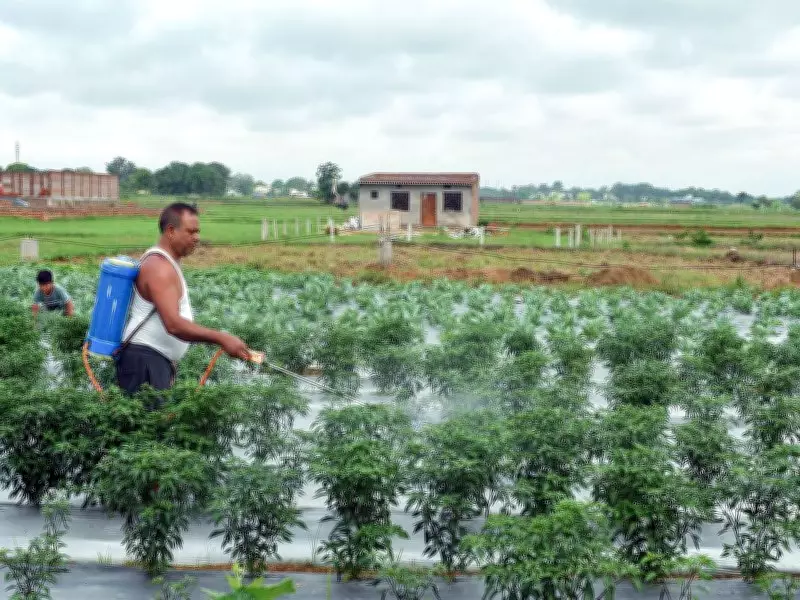
India's Fertilizer Association Confirms Sufficient Supply for Kharif Season Despite West Asia Tensions
The Fertiliser Association of India (FAI) has issued a reassuring statement confirming that the country maintains ample fertilizer stocks to meet the demands of the upcoming kharif season. This announcement comes at a critical time, as global tensions in West Asia have raised concerns about potential supply chain disruptions that could impact agricultural inputs worldwide.
Stable Supply Amid Global Uncertainty
Despite the volatile situation in West Asia, which has historically influenced fertilizer production and logistics due to the region's role in raw material sourcing and shipping routes, the FAI asserts that India's domestic supply chain remains robust. The association has emphasized that strategic planning and proactive measures have been implemented to buffer against any external shocks, ensuring that farmers across the nation will have access to necessary fertilizers without significant delays or shortages.
This stability is crucial for the kharif season, which typically runs from June to October and includes major crops like rice, maize, and cotton. Adequate fertilizer availability is essential for maximizing yields and supporting India's agricultural economy, which contributes significantly to the nation's GDP and employs a large portion of the population.

Key Factors Ensuring Adequate Stocks
The FAI highlighted several factors that contribute to the current sufficient supply levels:
- Enhanced domestic production: Investments in local manufacturing facilities have reduced reliance on imports, making the supply chain more resilient to international disruptions.
- Strategic stockpiling: Government and industry efforts to maintain buffer stocks have been intensified in anticipation of potential challenges, ensuring a cushion against any unforeseen events.
- Diversified sourcing: By broadening the range of countries from which raw materials are procured, India has mitigated risks associated with dependency on any single region, including West Asia.
These measures collectively help safeguard against price volatility and availability issues that could arise from geopolitical tensions, providing a sense of security for farmers and stakeholders in the agricultural sector.
Implications for Farmers and the Economy
With the kharif season being a pivotal period for Indian agriculture, the assurance of sufficient fertilizer supply is expected to have positive ripple effects. Farmers can proceed with their planting schedules confidently, knowing that essential inputs will be available to support crop growth and productivity. This stability is likely to contribute to food security and economic stability, as agriculture remains a cornerstone of India's rural economy.
Moreover, the FAI's confirmation helps alleviate fears of potential price hikes or scarcity that could strain farmers' budgets and affect overall agricultural output. By maintaining a steady supply, the association aims to foster a conducive environment for sustainable farming practices and long-term growth in the sector.
In summary, the Fertiliser Association of India's proactive stance and strategic preparations have positioned the country to navigate the challenges posed by West Asia tensions effectively, ensuring that the kharif season proceeds smoothly with adequate fertilizer resources.






