Understanding India's LPG Shortage Amid Stable Petrol and Diesel Supplies
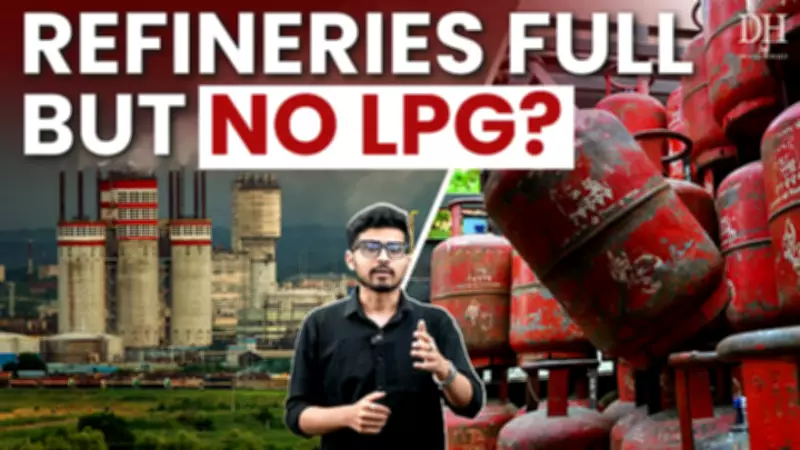
India is currently grappling with a significant shortage of liquefied petroleum gas (LPG), commonly used for cooking in households across the nation. This crisis has left many consumers struggling to secure timely refills, causing widespread inconvenience and concern. However, in a stark contrast, the supplies of petrol and diesel have remained largely unaffected, with no major disruptions reported at fuel stations. This divergence highlights the complex dynamics of India's energy sector and the varying factors that influence different fuel types.
Key Factors Behind the LPG Shortage
The LPG shortage stems from a combination of supply chain bottlenecks and heightened demand. Supply chain disruptions have played a critical role, with logistical challenges such as transportation delays and distribution inefficiencies exacerbating the situation. Additionally, seasonal fluctuations in consumption, particularly during festivals and colder months, have led to a surge in demand that the current infrastructure is struggling to meet. The government's push for cleaner cooking fuels has also increased LPG adoption, further straining supplies.
Why Petrol and Diesel Remain Unaffected
In contrast to LPG, petrol and diesel supplies have remained stable due to several strategic measures. India maintains substantial strategic reserves for these fuels, which act as a buffer during supply disruptions. Moreover, the country sources petrol and diesel from a diverse range of international suppliers, reducing dependency on any single source and mitigating risks. The refining capacity for these fuels is also more robust, with domestic production supplemented by imports to ensure continuous availability.

Expert Analysis and Government Response
Energy experts point out that the LPG shortage underscores the need for infrastructure upgrades and better demand forecasting. The government has acknowledged the issue and is taking steps to address it, including ramping up imports and streamlining distribution networks. However, long-term solutions may involve investing in alternative energy sources and enhancing storage facilities to prevent future crises.
Impact on Consumers and the Economy
The LPG shortage has direct implications for households, particularly in rural areas where it is a primary cooking fuel. This can lead to increased reliance on traditional fuels like wood or kerosene, posing health and environmental risks. Economically, disruptions in LPG supply can affect sectors such as hospitality and small-scale industries that depend on it. Meanwhile, the stability in petrol and diesel prices helps maintain transportation and industrial activities, supporting overall economic growth.
Looking Ahead: Solutions and Recommendations
To resolve the LPG shortage, stakeholders recommend:
- Enhancing supply chain resilience through better logistics and technology integration.
- Increasing domestic production and exploring new import partnerships to diversify sources.
- Promoting energy efficiency and alternative fuels to reduce dependency on LPG.
- Implementing real-time monitoring systems to track demand and supply patterns accurately.
In summary, while India's LPG shortage poses immediate challenges, the stability in petrol and diesel supplies offers a lesson in strategic planning. By addressing the root causes and investing in sustainable solutions, India can work towards a more resilient energy future that ensures reliable access to all essential fuels.