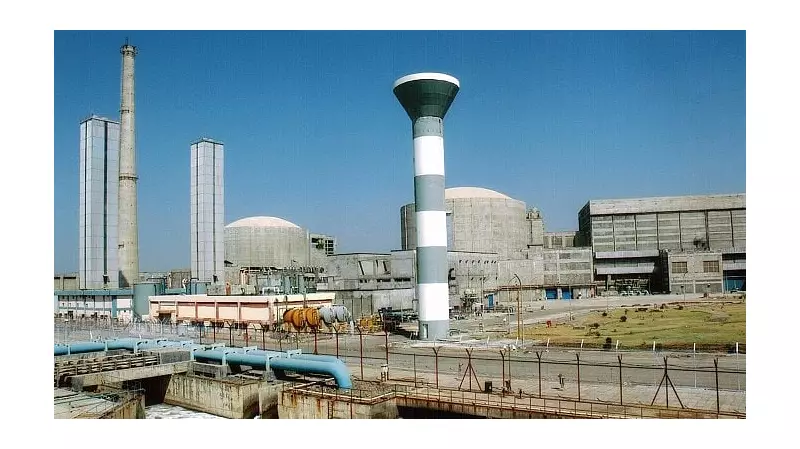
India is set to embark on a significant new chapter in its civilian nuclear energy program with the construction of two advanced, next-generation reactor designs at an existing facility. The government has announced plans to build the BSMR-200 and the SMR-55 nuclear reactors at the Tarapur site in Maharashtra, targeting completion by the year 2033.
A New Era for Tarapur: Home to Next-Gen Reactor Technology
Tarapur, already a historic location for India's nuclear power journey, has been selected as the site for this forward-looking project. The move represents a strategic expansion of the nation's nuclear energy infrastructure using modern, innovative technologies. The BSMR-200 and SMR-55 represent newer classes of reactor designs that focus on enhanced safety, efficiency, and scalability compared to older models.
A defining feature of this initiative is the planned involvement of commercial entities. In a notable shift, the government will actively seek participation from the private sector in the development and deployment of these reactors. This collaborative model aims to leverage industrial expertise and accelerate the timeline for bringing new nuclear capacity online, supporting India's growing energy demands and clean energy transition goals.

Public-Private Partnership to Power India's Nuclear Future
The decision to involve private players marks a pivotal evolution in India's approach to nuclear energy development. While the overall program remains under strict governmental and regulatory oversight, the operational and technological contributions from private industry are expected to inject new dynamism into the sector. This partnership model is crucial for meeting the ambitious 2033 deadline for the reactors to become operational at Tarapur.
The announcement, reported by journalist Kalyan Ray and published on December 06, 2025, underscores a clear policy direction. By integrating private sector efficiency and innovation with public sector oversight and strategic goals, India aims to fortify its energy security with a reliable, low-carbon power source.
Strategic Implications for Energy Security and Clean Power
The establishment of the BSMR-200 and SMR-55 units at Tarapur by 2033 carries substantial long-term implications. Firstly, it will augment the baseload power capacity of the western grid, contributing to the stability and reliability of electricity supply in a key industrial region. Secondly, it advances India's commitments to reducing the carbon intensity of its economy by expanding non-fossil fuel-based power generation.
The success of this public-private venture could also set a precedent for future nuclear projects across the country, potentially reducing costs and deployment times for new reactors. As the project progresses towards its 2033 target, it will be a critical test case for integrating advanced nuclear technology and private investment within India's strategic energy framework.