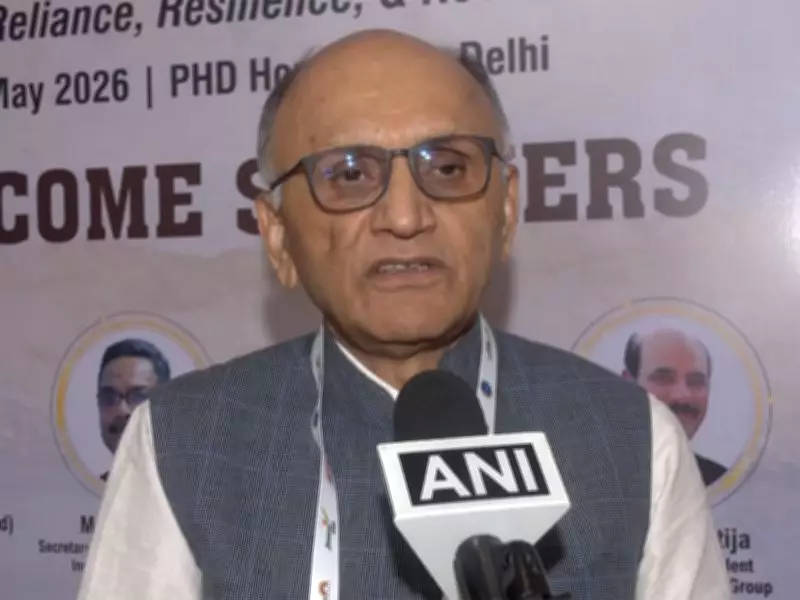
India faces a significant challenge in its steel production sector, as the country's scrap supply is only sufficient to meet 25% of its steel demand, according to a former Steel Secretary. This shortfall underscores the need for urgent policy measures to boost domestic scrap collection and processing.
Current Scenario
The former Secretary stated that while scrap-based steel production is environmentally friendly and energy-efficient, India lacks the necessary infrastructure and collection mechanisms to generate adequate scrap. Currently, only about 25% of the country's steel demand can be fulfilled through scrap-based production, leaving a heavy reliance on traditional iron ore-based methods.
Environmental and Economic Implications
Scrap-based steelmaking reduces carbon emissions significantly compared to blast furnace methods. The limited use of scrap not only hampers India's climate goals but also increases production costs due to higher energy consumption. Additionally, the country misses out on the economic benefits of a circular economy.

- Scrap Imports: India imports a substantial amount of scrap to bridge the gap, leading to foreign exchange outflow.
- Collection Challenges: Informal sector dominance and lack of segregation at source hinder efficient scrap recovery.
- Policy Gaps: Absence of a comprehensive scrap policy and incentives for recycling.
Way Forward
The former Secretary called for a multi-pronged strategy:
- Enhancing scrap collection networks through formalization and technology.
- Implementing stricter norms for scrap segregation and grading.
- Providing fiscal incentives for scrap-based steel producers.
- Promoting research in advanced recycling technologies.
With the steel sector being a core pillar of India's infrastructure growth, bridging the scrap demand-supply gap is critical for sustainable development. The government is urged to prioritize this issue in upcoming policy frameworks.