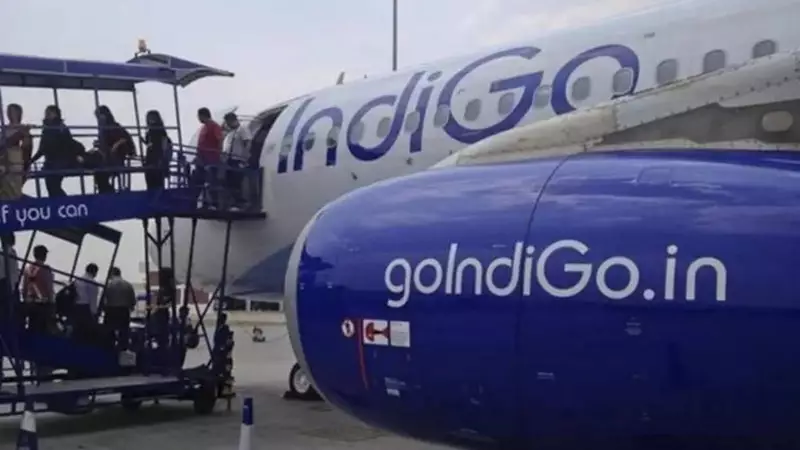
India's aviation sector is facing a severe crisis as its largest carrier, IndiGo, grapples with its most significant operational breakdown in years. The disruption, which began in early December 2025, has led to the cancellation of over 1,000 flights across multiple days, leaving thousands of passengers stranded, disrupting holiday plans, and causing widespread baggage chaos. The situation reached a peak on December 4, with the airline cancelling more than 550 flights in a single day, primarily affecting major metro cities.
The Root Causes: Regulations, Pilots, and a Perfect Storm
At the heart of this chaos lies a critical mismatch between pilot staffing and newly implemented safety rules. The revised Flight Duty Time Limitation (FDTL) regulations, which fully came into force on November 1, 2025, are designed to combat pilot fatigue. They mandate stricter requirements, including 48 consecutive hours of weekly rest and limits on night landings.
While the intent behind these rules is universally praised, their swift implementation has left airlines, especially IndiGo which commands over 60% of the domestic market, short of the required number of pilots. This shortage doesn't just ground one aircraft; it triggers a domino effect across an airline's entire network, as each plane typically operates five to six sectors daily.

Compounding the issue are several other factors:
- The ongoing winter flight schedule.
- Adverse weather conditions in parts of the country.
- Airport capacity constraints.
- Challenges in rapidly hiring and training new pilots amidst global demand.
The pilot hiring process itself is fraught with tension, including opposition to recruiting expatriate pilots due to disparities in salaries and benefits, forcing airlines to navigate a complex tightrope.
The Forgotten Passenger: A System with Minimal Recourse
Amidst discussions of regulations and staffing, the plight of the consumer has been largely overlooked. This incident starkly highlights a harsh reality: air travelers in India have minimal enforceable rights, near-zero accountability from airlines, and few effective avenues for recourse.
Currently, the primary legal instrument for aggrieved passengers is the Consumer Protection Act, 2019, which deals broadly with service deficiencies but lacks dedicated provisions for air passenger protection. A Passenger Charter published by the Ministry of Civil Aviation in February 2019 has seen poor implementation, offering little practical relief.
This massive disruption is now fueling urgent calls for a dedicated and robust air passenger protection law in India.
Response and the Path Forward
In a drastic move to stabilize operations, IndiGo took the unprecedented step on December 5 of suspending all domestic departures from its largest hub, Delhi. This operational reset was followed by targeted cancellations in the subsequent days.
Regulator Directorate General of Civil Aviation (DGCA) has intervened by granting limited, temporary relaxations on the new FDTL norms and is closely monitoring the airline's recovery efforts.
This episode underscores an urgent need for a stronger partnership between the government, the aviation industry, and the public. As India's aviation market continues its rapid expansion, such large-scale failures cannot be tolerated. The solution lies in enhanced data sharing, greater transparency, and establishing clear accountability mechanisms to prevent future meltdowns and protect the rights of millions of air passengers.