

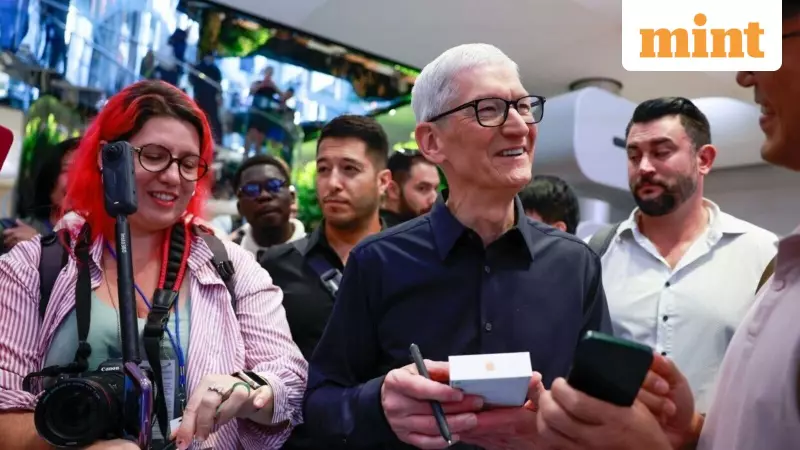
A significant leadership transition is underway at Apple Inc., marked by a series of high-profile executive departures over the past year. This reshuffle comes at a critical juncture as the tech giant prepares to navigate the artificial intelligence (AI) era, while rivals like Meta Platforms and OpenAI aggressively recruit its top talent.
A Changing of the Guard at the Top
Four key lieutenants have left Apple in the last 12 months, signaling a major shift in the company's upper echelons. The latest wave began this week with the announcement that General Counsel Katherine Adams and Head of Policy Lisa Jackson will both retire next year. This follows the departure of a top designer to Meta on Wednesday and the news on Monday that the head of AI strategy is retiring.
The executive exodus extends further back. Apple's Chief Operating Officer announced his retirement in July, and the Chief Financial Officer transitioned to a new role late last year. These moves underscore a generational change in leadership, even as CEO Tim Cook, who turned 65 recently, shows no intention of stepping down. Cook's value to shareholders was demonstrated this year through deft handling of political challenges, including tariff threats, which helped return Apple's stock to record territory.

The AI Brain Drain to Rivals
Beyond the C-suite, a long-term brain drain is sapping Apple of innovative talent and directly empowering its competitors. Dozens of Apple employees have defected to rivals OpenAI and Meta Platforms in recent months, according to a review of LinkedIn profiles. These engineers and designers possess expertise in critical areas like audio, watch design, and robotics.
Meta's CEO Mark Zuckerberg, after his failed 'metaverse' push to supplant the iPhone, has turned his focus to AI and smartglasses. As part of this revamp, Meta hired Apple's top designer Alan Dye this week, following a recruiting blitz that poached several key AI staffers from Apple.
OpenAI's ambition is even more direct. Sam Altman paid a staggering $6.5 billion to "acqui-hire" Steve Jobs's protégé, Jony Ive, the legendary designer behind the iPhone and Apple Watch, along with his team of ex-Apple heavyweights. Their goal is to develop an AI device intended to be the future of computing. OpenAI's new hardware division has been poaching aggressively from Apple to build this vision.
The Stakes for iPhone's Dominance
These challenges come from tech titans frustrated by Apple's control over app distribution through its App Store. Elon Musk has reportedly considered building his own smartphone and his company X is suing Apple over the placement of its AI app. However, no rival presents an immediate threat to the iPhone's dominance. Consumers' digital lives remain deeply embedded in Apple's ecosystem, and a 'killer' AI app or alternative device compelling enough to trigger a mass migration does not yet exist.
The critical test for Cook and his new leadership team is to articulate and execute a coherent AI strategy. This strategy must convince both customers and remaining employees that Apple can play a defining role in the decade's most important technology. Without a clear AI vision, Apple risks leaving an opening for determined rivals.
If Tim Cook can successfully launch compelling AI products before his eventual departure, he will cement his legacy as one of tech's great leaders and provide his successor with a formidable foundation. The battle to shape the next generation of personal computing is intensifying, and the talent leaving Apple's campus may hold the key to its outcome.






