

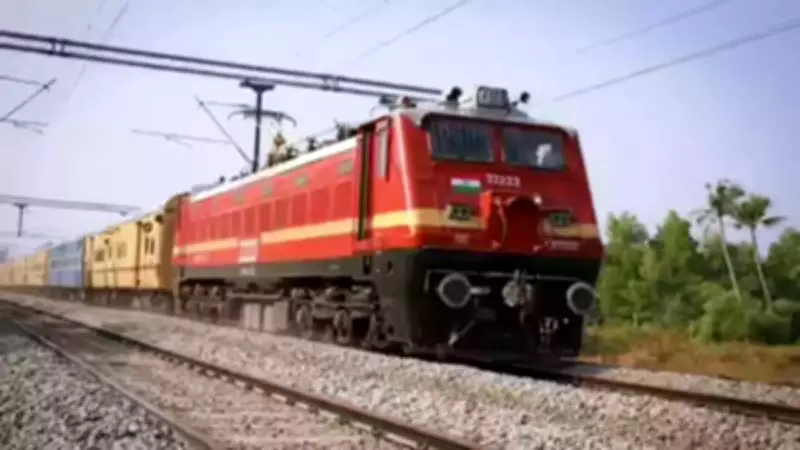
IRCTC Directs Railway Food Outlets to Adopt Electric Cooking Amid LNG Supply Disruption
The Indian Railway Catering and Tourism Corporation (IRCTC) has issued a directive requiring all its licensees to implement alternative cooking methods, including microwave ovens and electric induction systems, at railway food centres. This move comes in response to reported cuts in liquefied natural gas (LNG) supplies, which are linked to the ongoing conflict in West Asia.
Impact on Railway Catering Operations
The directive applies comprehensively to food plazas, refreshment rooms, and Jan Aahar outlets across railway stations throughout India. As the regional crisis widens, it is disrupting energy supplies, with hotels, restaurants, and roadside eateries across the country reporting difficulties due to LNG shortages.
Earlier, railway officials highlighted that a nationwide shortage of LPG cylinders has begun to impact the catering operations of IRCTC. This has prompted the railways to consider temporarily suspending cooked meal services on trains and issuing refunds to passengers who had pre-booked meals while reserving tickets.

Challenges in Meal Preparation for Long-Distance Trains
While pantry cars on trains primarily function as distribution and reheating units and do not carry LPG cylinders, the disruption in LPG supply to base kitchens is now affecting the preparation of meals intended for long-distance trains. This logistical challenge underscores the broader energy supply issues facing the catering sector.
Government Assurance on Energy Diversification
In response to these concerns, Petroleum and Natural Gas Minister Hardeep Singh Puri stated that India is actively diversifying its energy import sources beyond West Asia. He assured that domestic gas supplies remain stable, with uninterrupted supplies of compressed natural gas (CNG) and piped natural gas (PNG) continuing across the country.
The shift to electric cooking methods at railway food outlets is seen as a proactive measure to mitigate the impact of external supply chain disruptions and ensure continued service for passengers amidst the evolving global energy landscape.






