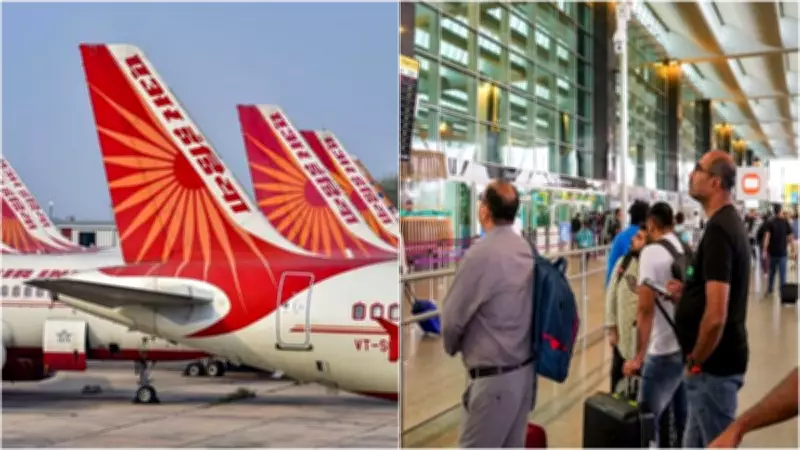
Jet Fuel Prices Skyrocket Past Rs 2 Lakh per Kiloliter, First-Time Milestone
In a historic development, jet fuel prices have surged dramatically, more than doubling to cross the Rs 2 lakh per kiloliter mark for the first time ever. This unprecedented increase, effective from April 1, 2026, marks a significant milestone in the aviation sector, with far-reaching implications for both airlines and passengers.
Impact on Airfares and Travelers
The sharp rise in jet fuel costs is set to trigger a corresponding increase in airfares, as airlines grapple with heightened operational expenses. Travelers can expect to face higher ticket prices across domestic and international routes, potentially affecting travel plans and budgets. This price hike comes at a time when the aviation industry is already navigating post-pandemic recovery challenges, adding further strain on profitability and consumer affordability.
Key factors driving this surge include:

- Global crude oil price fluctuations and supply chain disruptions.
- Increased demand for air travel as economies reopen.
- Geopolitical tensions impacting fuel availability and costs.
Broader Implications for the Aviation Industry
Beyond immediate fare increases, the jet fuel price spike could lead to broader industry shifts. Airlines may be forced to implement cost-cutting measures, such as reducing flight frequencies or adjusting route networks, to mitigate financial pressures. This could, in turn, affect connectivity and travel options for passengers, particularly in smaller or less profitable markets.
Industry analysts warn that sustained high fuel prices might slow down the sector's growth, potentially delaying fleet expansions and new service launches. The ripple effects could extend to related industries, including tourism and hospitality, which rely heavily on affordable air travel.
Looking Ahead: Strategies and Adaptations
In response to these challenges, airlines are exploring various strategies to manage costs and maintain competitiveness. These include:
- Investing in fuel-efficient aircraft and technologies to reduce consumption.
- Implementing dynamic pricing models to optimize revenue.
- Enhancing operational efficiencies through better route planning and maintenance.
Travelers are advised to plan ahead, book tickets early, and consider flexible travel dates to mitigate the impact of rising airfares. As the situation evolves, stakeholders across the aviation ecosystem will need to adapt swiftly to ensure sustainability and accessibility in air travel.