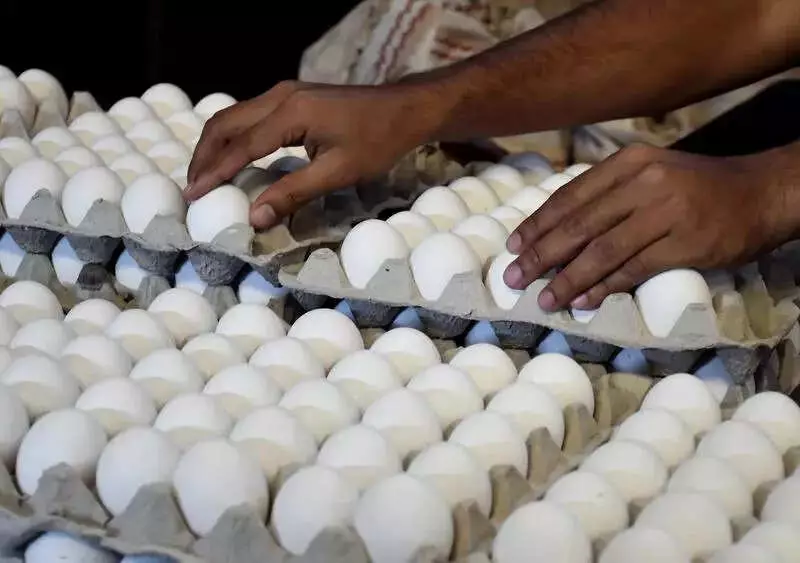
In a dramatic market reversal, the price of eggs across Karnataka has taken a sharp downward turn, following a record-breaking rally that had recently peaked. This sudden correction is causing significant concern among poultry farmers and traders who had benefited from the earlier highs.
A Steep Fall from Record Highs
Data released by the National Egg Co-ordination Committee (NECC) reveals the extent of the drop. The wholesale rate for 100 eggs in key markets like Mysuru and Bengaluru has fallen to Rs 625. This marks a significant decrease from the record price of Rs 706 per 100 eggs that was prevalent until last Saturday. Industry insiders describe the trend since Sunday as a "free fall," primarily driven by a noticeable dip in consumer demand.
Retail Market Follows Suit
The wholesale decline has quickly trickled down to the retail sector, impacting everyday consumers. Sellers across the state report that retail prices are now fluctuating based on size. "Currently, the prices are between Rs 5.5 and Rs 7, based on the size of the egg," explained local vendors. This variability offers some relief to households but underscores the market's volatility.

Industry Perspective and Future Outlook
Satish Babu, the NECC zonal president, stated that this price correction was anticipated. He attributed the decline to several factors, including the upcoming harvest festival of Sankranti. "We were aware that prices would come down during the 1st week of Jan due to various factors," Babu said. He expressed confidence that the market would find its balance after the festival period, urging stakeholders not to panic over the natural fluctuation.
Babu also provided context on export volumes, highlighting a previous surge in demand. "In Nov, 65 lakh eggs were exported daily from the country. It went up to 85 lakh in Dec," he explained, adding that data for January is awaited post-month-end. This export surge likely contributed to the earlier domestic price spike, and its normalization is a factor in the current decline.
The immediate consequence of this price plummet is financial distress for poultry owners who expanded operations or incurred costs during the high-price phase. The industry now watches closely to see if post-Sankranti demand will indeed stabilize the market as predicted, preventing a prolonged period of low returns.