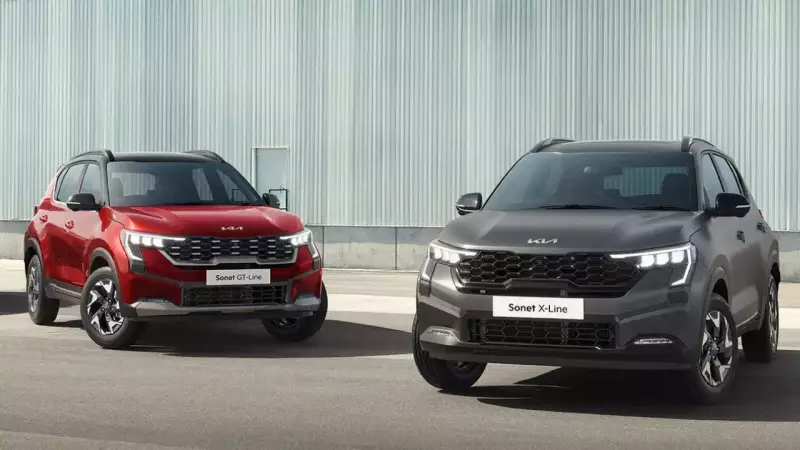
When Kia India introduced the Sonet in 2020, the compact SUV segment was already fiercely competitive, dominated by established names like the Tata Nexon, Hyundai Venue, and Maruti Suzuki Brezza. At that time, Kia was still a relatively new entrant in the Indian market, having launched the Seltos just a year earlier. Many industry observers believed the brand was arriving late to an already crowded party, facing an uphill battle to carve out its niche.
The Perfect Timing and Strategic Entry
The opportunity, however, was crystal clear. During the Covid-19 pandemic, the sub-4 metre SUV segment experienced an unprecedented boom, emerging as one of the fastest-growing automotive categories with growth rates soaring above 42 percent in certain months. What Kia needed to accomplish seemed straightforward in theory but proved challenging in execution. The automaker had to introduce a meticulously planned, comprehensive package with enough appeal to challenge the established favorites. The story began to take shape in September 2020 when, even before deliveries commenced, the compact SUV had already garnered over 25,000 bookings. The Sonet had unmistakably announced its arrival. Six years later, the model has recently achieved the remarkable milestone of 5 lakh sales, and it's time to unravel the elements behind its phenomenal success.
Design That Captured Hearts Instantly
One of the Sonet's most significant strengths has been its design philosophy. It presented a modern, SUV-like aesthetic without appearing excessive or divisive. The design appealed to a broad spectrum of buyers, including younger consumers and families transitioning from hatchbacks. From day one, it maintained a premium enough presence to distinguish itself in the market. Signature elements such as the distinctive 'Tiger-nose' grille, sharp lighting clusters, aggressive bumpers, and tasteful chrome accents made it immediately desirable. This strong visual foundation set the stage perfectly for what was to come.

Feature-Rich Proposition From the Outset
Kia ensured the Sonet debuted with an impressive array of features, addressing the evolving preferences of Indian buyers who increasingly sought comprehensive packages rather than just efficiency. At its launch, the model offered amenities that were rare or entirely absent in competing compact SUVs. These included:
- A sunroof for an open-air experience
- Leatherette upholstery for a premium feel
- Ambient lighting to enhance cabin ambiance
- Ventilated front seats for comfort in Indian climates
- Cruise control for highway convenience
- A wireless charger for modern connectivity
- An air purifier addressing urban pollution concerns
- A Bose sound system for superior audio quality
Additionally, it featured a large 10.25-inch touchscreen with Apple CarPlay and Android Auto integration, along with advanced connected car technology, setting new benchmarks in the segment.
Diverse Powertrain Options Catering to All Preferences
Another crucial factor behind the Sonet's success has been its extensive powertrain lineup, offering something for every type of driver. At launch, it provided multiple engine and transmission combinations:

- Petrol Options: The 1.2-litre naturally aspirated petrol engine produced 83 hp and 115 Nm of torque, paired with a 5-speed manual gearbox. The more potent 1.0-litre turbo-petrol engine delivered 120 hp and 175 Nm, available with either a 6-speed iMT or a 7-speed DCT.
- Diesel Option: A 1.5-litre four-cylinder diesel engine generated 100 hp and 240 Nm, coupled with a 6-speed manual gearbox. Notably, the Sonet was the only compact SUV in India at launch to offer a diesel engine with a torque converter automatic transmission, a feature that remains available today and has significantly contributed to its sales.
Continuous Evolution Through Updates and Facelifts
Kia's commitment to keeping the Sonet relevant has been instrumental in its sustained success. The 2024 facelift introduced refreshed styling with sharper bumpers, an updated grille, and revised lighting elements. The most notable enhancement was the introduction of Advanced Driver Assistance Systems (ADAS), positioning the Sonet among the few compact SUVs in India to offer this technology. Additional upgrades included a 360-degree camera and standard safety features such as six airbags, electronic stability control, hill-start assist, and a tyre pressure monitoring system, ensuring the model remained competitive and appealing.
Sales Momentum and Market Impact
The Sonet's compelling product package has translated into impressive commercial performance. Today, the Sonet accounts for nearly 35 percent of Kia India's domestic sales, having recently surpassed the 5 lakh overall sales milestone. Remarkably, 2 lakh units were sold in just the last two years following the debut of the facelifted version in early 2024. Sunhack Park, Chief Sales Officer at Kia India, commented, "Crossing the 5 lakh sales milestone for the Sonet is a moment of pride for all of us at Kia India. Every Sonet sold represents a customer who believed in Kia, and this is a powerful endorsement of the trust Indian buyers have shown us. This journey reinforces how our focus on delivering meaningful design, advanced technology, and dependable performance has resonated with buyers across the country."
Beyond domestic success, the Sonet has made significant strides internationally, with over 1 lakh units exported to nearly 70 global markets. Today, it continues to compete vigorously with rivals like the Tata Nexon, Hyundai Venue, Maruti Suzuki Brezza, and Mahindra XUV3X0, often trading places at the top of sales charts, a testament to its enduring appeal and strategic execution in one of the world's most dynamic automotive markets.