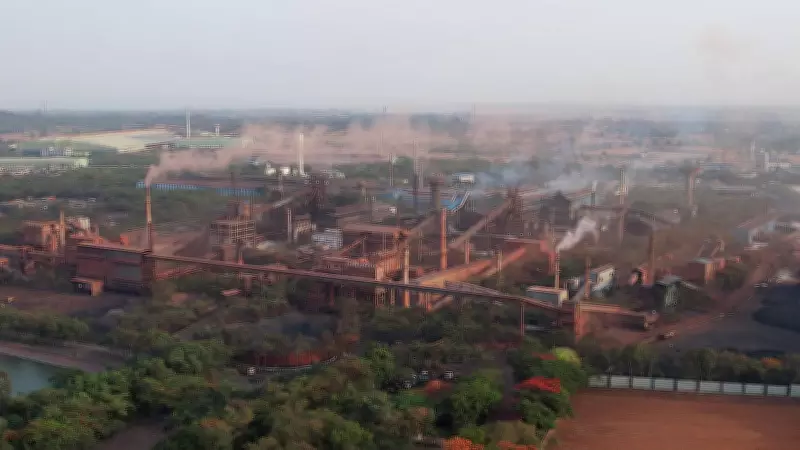
Smoke, dust, and neglect have turned Koppal's villages into a choking hazard, as a dense cluster of red-category industries accused of flouting norms and lacking buffer zones fuels an environmental and health crisis. The region, once known for its serene landscapes, now grapples with severe air and water pollution, affecting thousands of residents.
Industrial Cluster Under Scrutiny
The industrial hub in Koppal district houses multiple red-category units, including cement plants, steel mills, and chemical factories. These industries are classified as highly polluting and require strict adherence to environmental norms. However, reports indicate widespread violations, including operating without adequate pollution control measures and ignoring mandatory buffer zones around residential areas.
Health Crisis Unfolds
Local villagers report a surge in respiratory ailments, skin diseases, and waterborne illnesses. Children and the elderly are the most vulnerable, with many seeking treatment at overcrowded primary health centers. A resident from a nearby village stated, "We cannot breathe properly at night. The air is thick with dust, and the water from the borewells has turned yellow."

Regulatory Failures
The Karnataka State Pollution Control Board (KSPCB) has issued notices to several units, but enforcement remains weak. Activists claim that inspections are infrequent and penalties inadequate. The lack of a proper buffer zone—a mandatory green belt to absorb pollutants—has exacerbated the crisis, with factories located just meters from homes and schools.
Environmental Degradation
Beyond air pollution, the region's water bodies are contaminated with industrial effluents. The Tungabhadra River, a lifeline for agriculture and drinking water, shows elevated levels of heavy metals and toxic chemicals. Soil degradation has also been reported, impacting crop yields and livestock health.
Community Response
Villagers have formed local committees to demand action, filing complaints with the National Green Tribunal (NGT) and staging protests. They seek strict implementation of environmental laws, relocation of industries from residential areas, and compensation for health damages. However, they face resistance from industry owners and some local politicians who prioritize economic benefits over public health.
Way Forward
Experts suggest a multi-pronged approach: strengthening regulatory oversight, promoting cleaner production technologies, and establishing a comprehensive health monitoring system for affected communities. The district administration has promised a review, but residents remain skeptical. As one activist put it, "We have heard promises before. Now we need action."
The crisis in Koppal underscores the broader challenge of balancing industrial growth with environmental sustainability and public health. Without urgent intervention, the region's air, water, and people will continue to suffer.