KTM Severs Ties with Longtime Design Partner KISKA After Over 30 Years
Austrian motorcycle manufacturer KTM AG has officially concluded its enduring partnership with the design studio KISKA Design. This collaboration, which spanned more than three decades, was instrumental in shaping the brand's distinctive visual identity. In a significant development, KTM has divested its remaining stake in the studio to Loxone GmbH, marking a definitive end to this historic alliance.
Internal Restructuring and Strategic Shifts Behind the Split
The dissolution of this partnership is closely tied to internal restructuring within KTM's parent organization, Bajaj Auto. Following recent changes, Bajaj now exercises control over Pierer Mobility AG, which serves as the parent company for KTM, Husqvarna, and GasGas. This entity has been rebranded as Bajaj Auto International Holdings AG. Industry analysts suggest that the primary motivations for ending the KISKA collaboration include a drive for greater cost efficiency and enhanced internal oversight.
As part of this strategic pivot, KTM is taking steps to internalize a larger portion of its design processes. The company is actively preparing to establish a new, state-of-the-art in-house design center in Salzburg. This move is expected to grant KTM more direct control over the creative direction of its future motorcycle models.

KISKA's Legacy and the Future of KTM Design
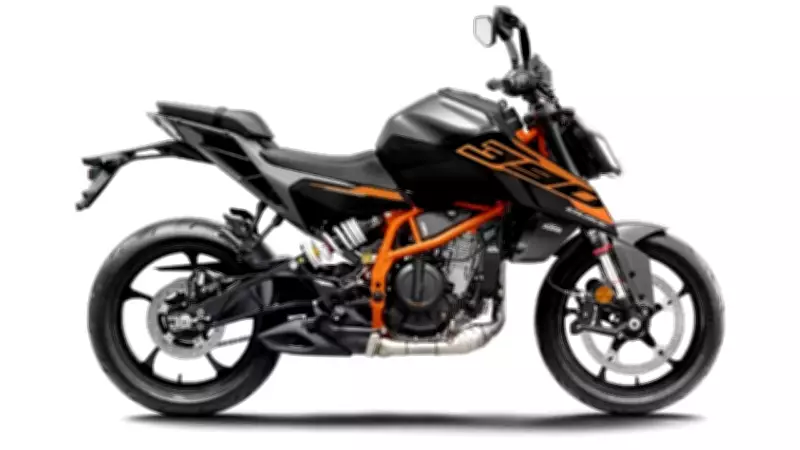
Since the early 1990s, KISKA Design has been a cornerstone in developing KTM's iconic design language. The studio was responsible for crafting the sharp, aggressive styling that has become synonymous with the KTM brand. Key design elements attributed to KISKA's influence include:
- Angular and dynamic bodywork
- Bold, eye-catching graphics
- Unique and innovative headlamp shapes
Despite the formal termination of their partnership, KTM is anticipated to maintain a collaborative relationship with KISKA on select projects during a transitional period. This arrangement will allow KTM continued access to the studio's specialized expertise and resources as it ramps up its internal capabilities.
What This Means for Consumers and Upcoming Models
For motorcycle enthusiasts and potential buyers, immediate and radical changes to KTM's design aesthetic are unlikely. The development cycle for new motorcycles typically extends over several years, meaning that models slated for release in the near future will still reflect the familiar, KISKA-influenced design philosophy.
However, KTM's strategic decision to bring design operations in-house could gradually influence the visual identity of its products in the longer term. This shift represents a significant step in the brand's evolution, as it seeks to balance its rich design heritage with new, internally-driven creative visions.