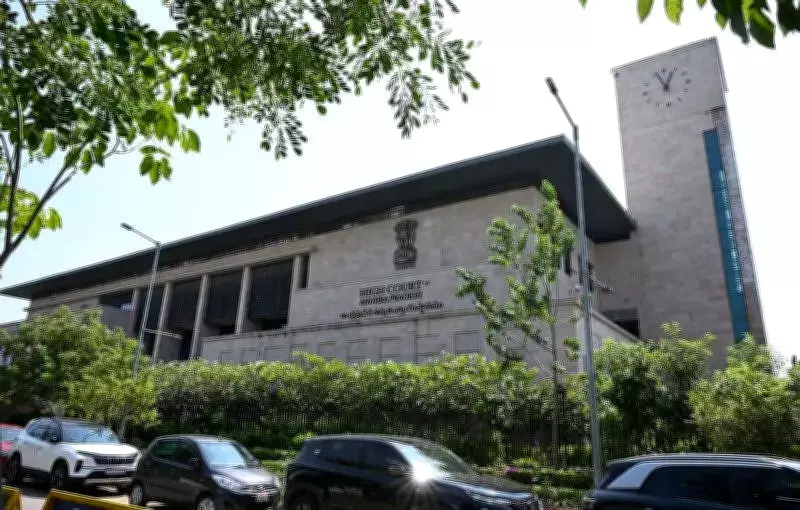
Andhra Pradesh High Court Mandates Formation of Food Safety Vigilance Committee
The Andhra Pradesh High Court issued a significant directive on Wednesday, ordering the state government to establish a state-level vigilance committee in strict compliance with the National Food Safety Act of 2013. This judicial intervention came after the court noted that the commissioner of civil supplies had submitted the proposal for such a committee four months ago, yet no decisive action had been taken by the authorities.
Petition Highlights Government Inaction on Food Safety
The case was brought before the high court by petitioner K Akhil Guru Teja, who challenged the state government's prolonged inaction in constituting the mandated vigilance committees. Representing the petitioner, advocate Sheik Shehjad presented compelling arguments to the bench, emphasizing the critical role these committees would play in safeguarding public welfare.
Shehjad articulated that establishing vigilance committees at the mandal, district, and state levels would serve multiple essential purposes:

- Preventing misuse of government schemes specifically designed to benefit economically disadvantaged populations.
- Identifying and documenting any shortcomings or inefficiencies in the implementation of these welfare programs.
- Systematically reporting these findings to the government to ensure accountability and prompt corrective measures.
Government Response and Judicial Directive
During the proceedings, Additional Advocate General Sambasiva Pratap responded on behalf of the state government. He informed the court that the existing state-level committee requires reconstitution and that proposals submitted by the civil supplies commissioner are currently under active consideration by the administration.
Pratap assured the court that the government intends to complete the committee formation process expeditiously. However, considering the four-month delay since the initial proposal and the petitioner's concerns about ongoing inaction, the high court bench decided to issue a formal directive.
The court explicitly instructed the Andhra Pradesh government to constitute the vigilance committees without further delay. To ensure compliance and monitor progress, the bench scheduled the next hearing on this matter for two months from the date of the order, creating a clear timeline for government action.
Broader Implications for Food Security and Governance
This judicial order carries substantial implications for food security and administrative accountability in Andhra Pradesh. The National Food Safety Act, 2013, was enacted to strengthen India's food safety infrastructure and protect consumers from health hazards. Vigilance committees are crucial enforcement mechanisms under this legislation, tasked with monitoring implementation and addressing grievances.
The high court's intervention underscores the importance of timely administrative action in matters of public health and welfare. By setting a two-month deadline for compliance, the judiciary has emphasized that bureaucratic delays cannot compromise the effective implementation of laws designed to protect vulnerable citizens.
This development also highlights the growing role of public interest litigation in holding governments accountable for statutory obligations. As the state government moves to constitute the committees, stakeholders will be watching closely to ensure that these bodies function effectively to prevent scheme misuse and improve food safety outcomes across Andhra Pradesh.