

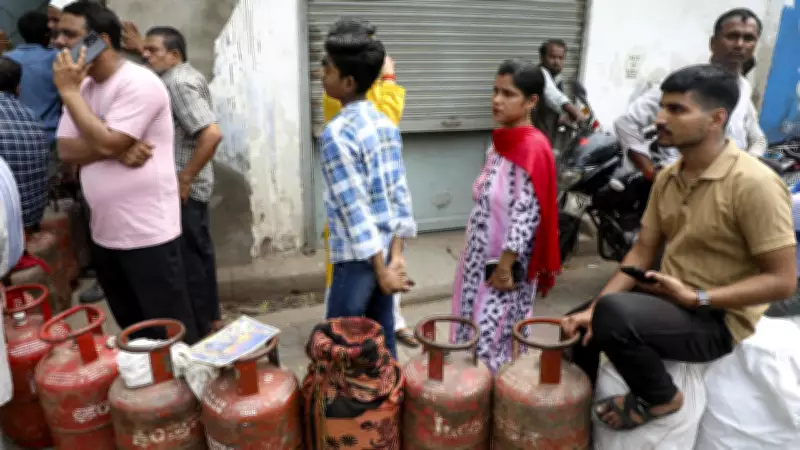
LPG Supply Crisis Puts Indian Restaurants on the Brink of Closure
A severe shortage of commercial LPG cylinders, intensified by the ongoing conflict in West Asia, is disrupting restaurant operations across India, forcing many establishments to consider temporary shutdowns. The supply crunch has prompted a widespread shift to induction cookers and electric alternatives, with some restaurants already limiting their menu offerings to stay afloat.
Small Eateries Hit Hardest, Some Forced to Shut
Smaller restaurants are bearing the brunt of the crisis. In Chennai, several small eateries have already closed their doors, according to Ravi Muthukrishnan, chairman of Vasanta Bhavan Hotels and president of the Channel Hotels Association. He highlighted that agencies supplying LPG cylinders to restaurants are facing critical stock shortages, with no cylinders available for the past two days. "Many dishes, from Chinese cuisine to biryani, require slow cooking, which consumes more gas. Without adequate supply, operations are unsustainable," Muthukrishnan explained.
Major Cities Experience Significant Disruptions
Anjan Chatterjee, founder of Speciality Restaurants, which operates brands like Mainland China and Oh! Calcutta, reported that Bengaluru and Chennai are the most affected markets, with parts of Delhi and Kolkata also experiencing supply issues. The company is currently relying on induction cookers and rice cookers as stopgap measures. However, Chatterjee warned that if supplies do not improve within a day or two, restaurants may have to close temporarily. "Approximately 70% of our menu is Chinese, which demands high-pressure gas burners. No gas means no cooking," he emphasized.

Financial Strain and Operational Challenges Mount
The LPG shortage comes at a precarious time for the hospitality industry, with final advance tax payments and liquor license renewals due. Pawan Shahri, co-founder of Mumbai-based Chrome Asia Hospitality, noted that restaurants operate on tight monthly cash flows, and dwindling business could exacerbate financial pressures. "We are exploring all options to keep our business running, but rents, salaries, and regulatory payments cannot be deferred," Shahri stated.
Restaurants Adapt with Menu Restrictions and Electric Alternatives
In response to the crisis, many restaurants are implementing contingency plans. Debaditya Chaudhury, MD at Chowman, mentioned that outlets in Mumbai and Bengaluru are facing supply challenges, prompting considerations to restrict certain menu items if the situation worsens. Meanwhile, restaurateur Pranav Rungta has shifted non-essential cooking at his Colaba eatery Otoki to electric cookers, using LPG only for critical tasks. Bulk rice cooking and staff meals have also been moved to electric appliances.
Prioritization of Supply Adds to Industry Woes
Rudra Pratap, COO at Ahuja Residences, revealed that available commercial LPG cylinders are being prioritized for essential establishments like schools and hospitals, leaving restaurants with limited access. This has forced many to reduce menu choices to conserve gas. Pratap added a silver lining, noting that the major wedding season has concluded, which might alleviate some demand pressure. Nonetheless, the overall outlook remains grim as the industry grapples with an uncertain supply chain and escalating operational costs.






