

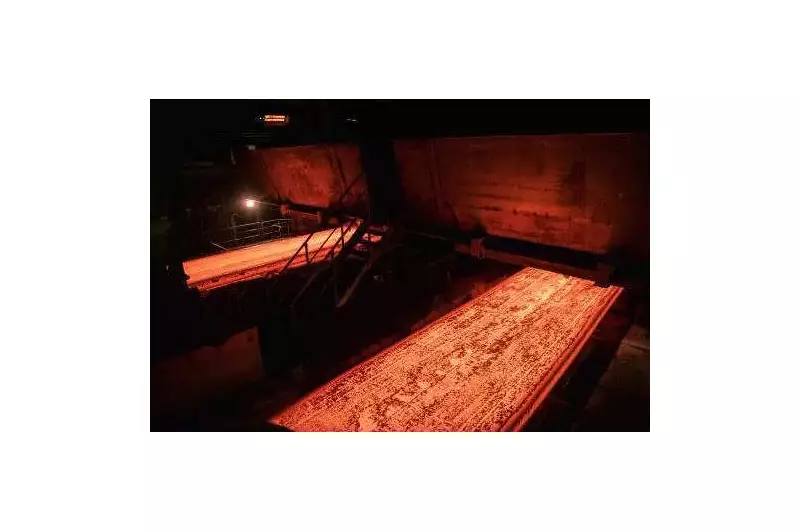
Industrial leaders and trade associations in Punjab's manufacturing hub of Ludhiana have made a strong appeal to the state-run Punjab Small Industries & Export Corporation Ltd. (PSIEC). They are urging the corporation to reactivate its crucial raw material supply scheme, a move seen as vital for the survival and competitiveness of micro, small, and medium enterprises (MSMEs) in the region.
The Core Demand: Bringing Back Bulk Procurement
The central request from industry bodies is for PSIEC to resume its role as a bulk procurer and distributor of essential materials like steel. They argue that frequent and sharp fluctuations in steel prices have put smaller manufacturing units at a severe disadvantage compared to large corporate buyers who can negotiate better rates. A subsidised and stable raw material supply, they stress, is no longer a luxury but a critical need.
Badish Jindal, President of the World MSME Forum, explained the historical context. He recalled that under the old system linked to the Joint Plant Committee (JPC) discount regime, both PSIEC and the National Small Industries Corporation (NSIC) would purchase steel and allied materials in large volumes. This bulk buying power allowed them to pass on significant price benefits to the MSME sector. "Under that system, PSIEC and NSIC were able to pass a portion of the JPC discount on to MSMEs," Jindal stated.

He pointed out that the termination of the JPC's discount mechanism removed PSIEC's incentive to maintain substantial raw material inventories meant for supply to smaller industries. The JPC, which operates under the Union Ministry of Steel, has historically played a key role in guiding the production, allocation, and pricing of iron and steel products across India.
A Function "Virtually Nullified" and Underutilised Infrastructure
Echoing these concerns, Pankaj Sharma, President of the Association of Trade and Industrial Undertakings, stated that one of PSIEC's primary founding objectives has been effectively sidelined. This function was the provisioning of high-demand steel and materials at stable prices and in flexible quantities tailored for small businesses. Sharma described this core duty as having been "virtually nullified."
He drew attention to the extensive network of PSIEC godowns spread across Punjab, which now largely lie unused or are filled with outdated material that does not meet current industrial needs. "The objective behind PSIEC's formation was to supply critical raw material at subsidised and stable prices even to small manufacturers," Sharma emphasised, adding that the failure to fulfil this mandate directly undermines the competitiveness of the state's MSMEs.
The Shift in Focus and Its Costly Impact
Industry representatives noted that PSIEC's current operations are now predominantly centred on land and infrastructure services. These include developing industrial focal points, managing real estate, and promoting exports. While these activities have value, they do not address the immediate and pressing raw material crunch faced by MSMEs on the ground.
It is important to recall that PSIEC was established back in 1962 with a clear mandate that included the distribution of iron and steel materials, promotion of exports, and marketing of products from small-scale units. Industrialists lament that the corporation has been steadily winding down its raw material depot operations, which they see as a direct blow to Punjab's steel-consuming MSME sector.
The financial impact is stark. They highlighted that steel prices available directly to MSMEs from major plants can be Rs 1,500 to Rs 2,700 per tonne higher than the rates they previously accessed through PSIEC's distribution network. This substantial price gap severely affects the cost structures and profitability of small producers, making them less competitive in the market.
Attempts to get an official response from PSIEC's Managing Director, Surabhi Malik, and General Manager, Sanjiv Walia, for comments on these allegations were unsuccessful at the time of reporting.






