Agricultural Drones Transform Farming Practices Across Maharashtra
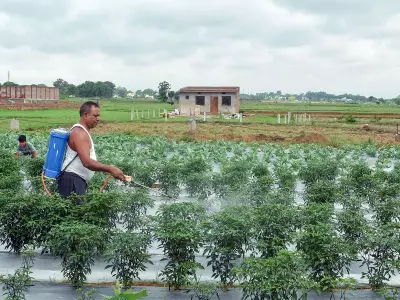
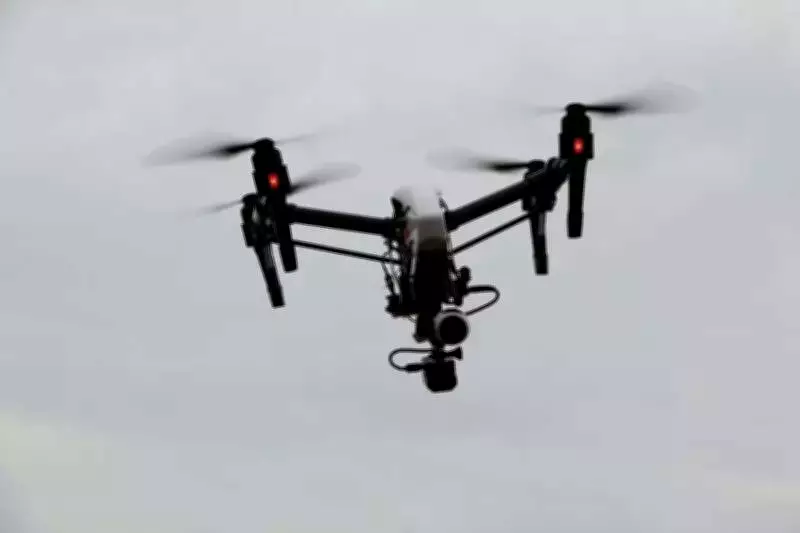
In a significant technological shift, farmers throughout Maharashtra are increasingly abandoning traditional agricultural methods in favor of high-tech precision farming using drones. This transformation is being accelerated by substantial government subsidies that make the advanced technology more accessible to the agricultural community.
Government Initiatives Drive Rapid Adoption
According to data from the state agriculture department, drones valued at approximately Rs 16 crore have already been purchased through various government-supported schemes. This substantial investment reflects the growing momentum behind agricultural modernization efforts.
The central government's Sub-Mission on Agricultural Mechanization (SMAM), combined with specific state-level initiatives, has created a powerful framework for promoting drone technology. These programs aim to modernize the agricultural sector while reducing dependence on manual labor, which has become increasingly scarce in many regions.

Staggering Efficiency Gains and Productivity Improvements
Agricultural experts highlight the remarkable efficiency advantages of drone technology. Traditional manual spraying methods that could take hours or even days to cover large farm areas can now be completed in mere minutes using drones.
"Farmers are becoming more aware of the benefits, and government subsidies have made these machines much more affordable," explained an agriculture department official. The uniform application of chemicals achieved through drone spraying significantly enhances crop productivity while optimizing resource utilization.
Financial Assistance and Emerging Service Economy
Current government schemes provide financial assistance to individual farmers, farmer producer organizations (FPOs), cooperatives, and rural entrepreneurs, covering a substantial portion of the upfront costs associated with drone acquisition.
Beyond individual ownership, a new service economy is emerging around agricultural drones. "FPOs and agri-startups are offering drone services on a rental basis," the official added. "This innovative approach allows small and marginal farmers to access high-end technology without making heavy investments."
Infrastructure Development and Multiple Benefits
Data indicates that specialized "drone service centers" are now appearing in rural areas, providing comprehensive support including spraying services, trained pilots, and maintenance assistance. This infrastructure development ensures sustainable technology adoption across the agricultural landscape.
For farmers, the benefits are multifaceted. Drone technology helps address rising labor costs while improving health safety by reducing direct exposure to toxic pesticides during application processes.
Growing Demand and Regional Implementation
The demand for agricultural drones shows no signs of diminishing. Hundreds of applications for financial assistance are currently being processed by authorities, with officials anticipating that the number of operational agricultural drones in Maharashtra will exceed 600 in the coming months.
Sanjay Kachole, District Agriculture Officer in Pune, emphasized the technology's particular importance in regions experiencing workforce challenges. "In districts like Pune, the scarcity of farm labor has become a major concern," Kachole noted. "In this context, drones provide massive assistance. We are already witnessing extensive drone utilization in several pockets of the district, and we expect this technology to become an integral component of modern farming practices across the entire state."
The widespread adoption of drone technology represents a fundamental shift in Maharashtra's agricultural practices, combining government support with technological innovation to address contemporary farming challenges while enhancing productivity and sustainability.