Maharashtra's Electricity Consumption Skyrockets Amid Heatwave Conditions
The state of Maharashtra has witnessed a significant surge in its peak power demand, which has escalated to an impressive figure exceeding 29,000 megawatts. This notable increase is directly attributed to a substantial rise in temperatures that has been recorded across several districts and major urban centers, with the bustling metropolis of Mumbai being prominently affected.
Mumbai's Specific Power Requirements and Supply Sources
Within the financial capital, the peak power demand reached a level that was remarkably close to 3,400 MW. To meet this heightened electricity need, a diversified supply strategy was implemented. Tata Power played a crucial role by contributing approximately 800 MW through its embedded generation capabilities. Concurrently, Adani Electricity supplied nearly 500 MW from its own generation facilities. The remaining portion of Mumbai's substantial power requirement was efficiently wheeled in from various other sources to ensure uninterrupted service.
Factors Driving the Increased Energy Consumption
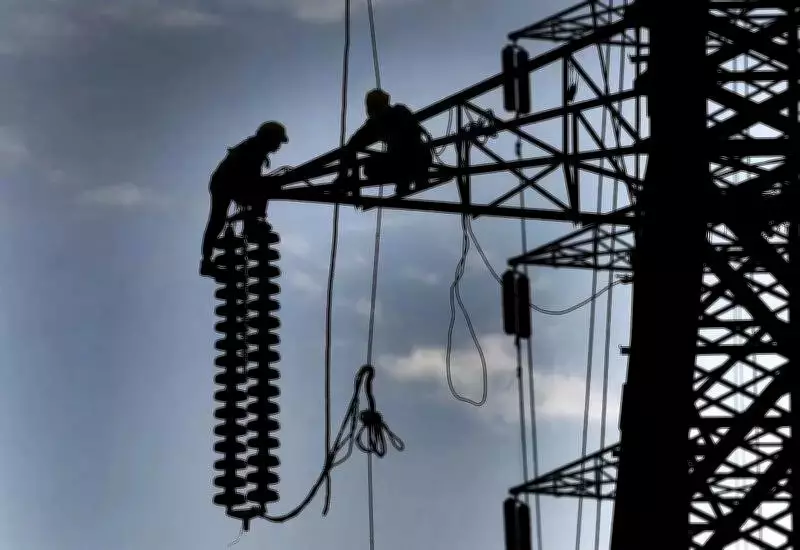
The primary catalyst behind this spike in power demand is the escalating mercury levels that have enveloped multiple regions of Maharashtra. As temperatures climb, there is a corresponding increase in the usage of cooling appliances such as air conditioners and fans, which in turn places a heavier load on the electrical grid. This phenomenon underscores the critical relationship between climatic conditions and energy infrastructure resilience.

Authorities and power distribution companies are closely monitoring the situation to manage the grid effectively and prevent any potential outages. The collaborative efforts between major suppliers like Tata Power and Adani Electricity highlight the importance of a robust and multi-sourced power generation and distribution network in catering to the dynamic needs of a populous and industrially active state like Maharashtra.