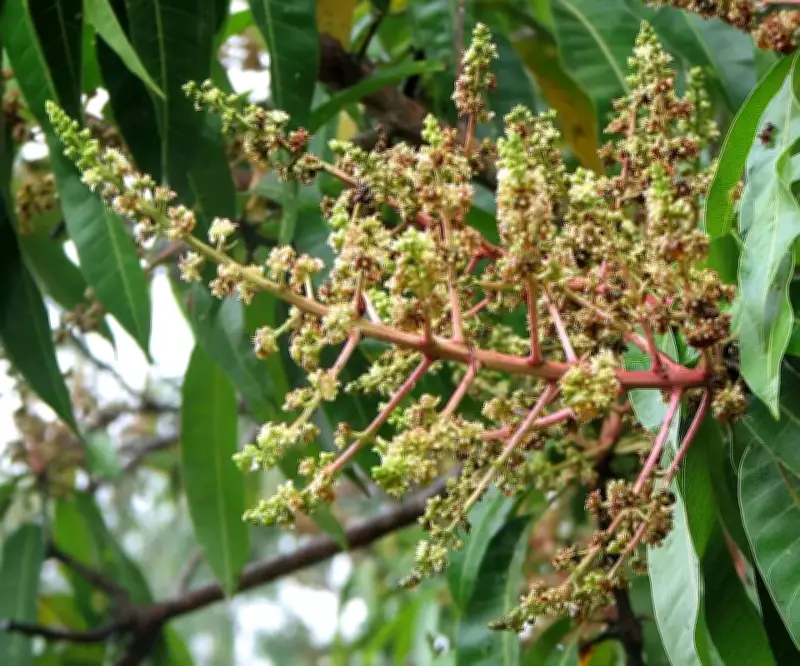
The Hidden Danger in Mango Trees' Beautiful Broom-Like Flowers
Across India's home gardens and sprawling orchards, a familiar spring sight unfolds: the majestic mango tree, typically adorned with lush green foliage, suddenly bursts into clusters of delicate, broom-like flowers. These panicles sway gently in the breeze, resembling soft brushes that paint the landscape with promise. However, for observant gardeners and farmers, this picturesque scene demands more than admiration—it requires immediate attention and vigilance.
Understanding the Natural Process Behind Broom-Like Flowers
Mango trees, scientifically known as Mangifera indica, are robust perennial plants that can reach heights of 15–20 meters or more. Their broad, dense canopy results from continuous branching, with smaller twigs emerging from main trunks and sturdy branches. These twigs bear sprawling flower panicles packed with hundreds of tiny blossoms, creating the characteristic broom-like appearance.
Agricultural extension notes reveal a critical insight: mango trees naturally produce far more blossoms than necessary for fruit production. Only a small percentage of these flowers have the potential to develop into valuable fruit if left unmanaged. Tamil Nadu Agricultural University describes mango flower panicles as clusters containing blossoms ranging from pinhead to pencil-tip size, with multiple developmental stages occurring simultaneously on the same twig. This complexity makes weak and overcrowded blossoms particularly prone to falling off.

When farmers spot these broom-like flower panicles, the first step is to maintain composure while remaining alert. The abundance of blossoms often masks the reality that many are destined to drop without proper intervention, threatening the entire crop's profitability.
The Economic Threat of Flower and Fruit Drop
According to the National Horticulture Board and local farmer-education resources, flower and fruit drop in mango trees represents a significant economic concern for orchardists, sometimes causing more damage than pests like mango hoppers. Experts outline the fruit reduction process in three distinct stages:
- The dropping of pinhead-sized fruits
- The dropping of pea-sized young fruits
- The dropping of more developed fruits later in the season
While natural factors contribute to this reduction, human-influenced elements can exacerbate the problem:
- Poor pollination due to environmental conditions
- Extreme temperature fluctuations during critical growth phases
- Water stress from irregular irrigation
- Sudden strong winds that physically damage flowers and young fruit
- Overcrowding of flowers and fruits on individual branches
Horticultural management literature emphasizes that thinning unnecessary panicles and overcrowded flowers allows trees to direct energy toward the healthiest, most promising fruits. The very puffiness and broom-like appearance of the flowers should serve as a visual cue for growers to implement proper pruning and support measures.
Practical Strategies for Managing Broom-Like Blossoms
When mango trees become covered in dense, brush-like blossoms, farmers can implement several straightforward yet effective measures:
Examine and thin panicles: When flower clusters appear excessively long and dense on a single branch, selectively thinning or shortening parts of the cluster helps the tree better support remaining fruit development.
Maintain consistent watering and nutrition: Regular, adequate irrigation and balanced fertilization prevent tree stress. A tree suffering from water or nutrient deficiency becomes weaker and more likely to shed immature flowers and fruit prematurely.
Implement low-cost interventions:

- Prune twigs bearing blossoms and remove weaker panicles before full bloom to reduce overcrowding and improve quality of remaining flowers
- Apply growth regulators like NAA (naphthalene acetic acid) at appropriate stages to control premature fruit fall—though this approach requires proper training and is more common in large-scale farming operations
The consensus among agricultural experts is clear: while a mango tree covered in broom-like blossoms presents a beautiful spectacle, it simultaneously demands careful observation and proactive management to transform floral abundance into harvest success.