

Mumbai Hospitality Sector Embraces Piped Natural Gas Following Severe Fuel Supply Crisis
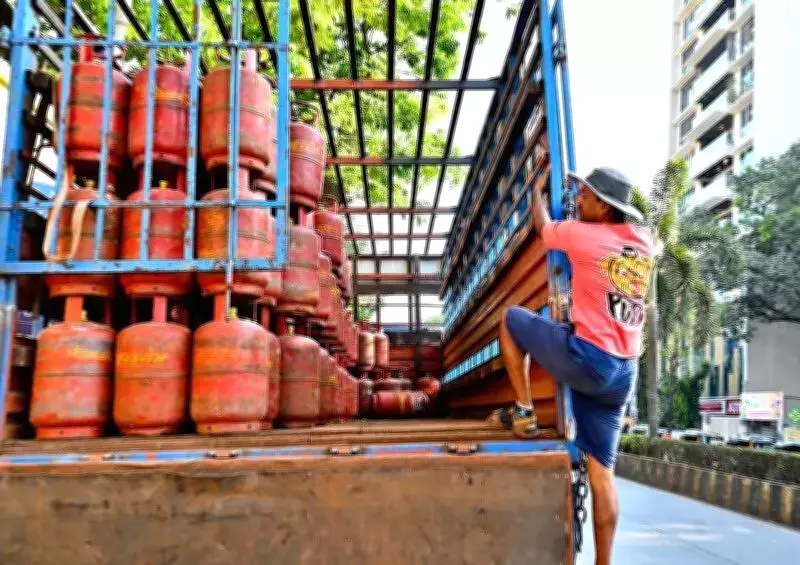
After enduring weeks of severe disruption triggered by the ongoing West Asia conflict, Mumbai's vast hospitality industry is implementing a long-term solution to its crippling fuel crisis. Nearly two thousand hotels and restaurants, with a significant concentration in south Mumbai, are now actively preparing to transition to piped natural gas (PNG). This strategic move aims to permanently liberate businesses from the daily uncertainty, frustrating delays, and logistical struggles associated with securing commercial LPG cylinders.
Strongest Demand Emerges from South Mumbai Despite Infrastructure Hurdles
The most robust response to this initiative has originated from south Mumbai, where demand remains exceptionally high even in the face of considerable infrastructure challenges. Dense urban development and congested underground utility networks have historically restricted pipeline expansion in several key pockets of the area. Remarkably, despite these obstacles, nearly sixty percent of all applicants are reportedly from south Mumbai. According to the Association of Hotels and Restaurants (AHAR), close to one hundred restaurateurs are queuing up daily to submit their applications for the new gas connections.
Mahanagar Gas Accelerates Commercial Connection Rollout with Government Support
Officials from Mahanagar Gas Ltd (MGL) have confirmed that applications are currently being accepted from hotels and restaurants situated near existing pipeline networks. This accelerated rollout is backed by substantial support from both the Central Government and the Maharashtra state government. Critical support includes deemed permissions for pending pipeline-laying proposals, which has allowed the company to fast-track work on commercial connections. MGL officials have revealed that essential infrastructure has already been laid in several residential complexes located near major hospitality hubs. This pre-existing groundwork will enable faster extension of services once final approvals are formally in place.

An official spokesperson clarified that interested hotels and restaurants can apply either through online portals or by visiting the MGL office directly. This pivotal transition follows one of the most severe and challenging supply squeezes that the city's food service business has confronted in recent memory.
The Severe Impact of the LPG Shortage on Restaurant Operations
At the peak of the critical shortage, commercial LPG deliveries became highly erratic and unpredictable. This forced countless eateries to implement drastic measures, including trimming their menus, significantly reducing operating hours, and, in some extreme cases, temporarily shutting down their kitchens entirely. Industry estimates suggest that nearly sixty percent of restaurants were compelled to either curtail their services or shift operations largely to online delivery orders. This widespread disruption severely affected breakfast counters, tiffin services, and affordable meal options that are heavily relied upon by daily office-goers and commuters across the metropolis.
Temporary Coping Measures Proved Costly and Impractical
Many establishments attempted to cope with the crisis through various temporary measures. These included switching to induction cooking, sharing cylinder stocks among neighboring businesses, and limiting operations to select hours only. However, these alternatives came with significant drawbacks, notably much higher electricity costs and numerous practical constraints. These constraints were especially pronounced for commercial kitchens that are specifically designed and built around high-volume cooking requirements, for which consistent gas supply is absolutely essential.

Special Enrollment Drive Speeds Up the Transition to PNG
Now, a special enrollment drive launched by Mahanagar Gas in partnership with AHAR is dramatically speeding up the sector-wide shift. AHAR President Vijay Shetty stated that approximately eight hundred member establishments have already applied for PNG connections within just the first week of the campaign. He projected that this number could potentially rise to two thousand by the conclusion of the enrollment drive. For restaurants that depend on multiple cylinder deliveries every single day, PNG offers profound relief from a major and constant logistical burden.
PNG Seen as a Solution for Business Continuity and Energy Security
The recent fuel crisis has delivered a stark and clear message to the entire hospitality industry: excessive dependence on LPG cylinders leaves businesses dangerously exposed to global geopolitical shocks and supply chain vulnerabilities. Even though LPG supplies have improved marginally in recent weeks, overall business confidence remains fragile and uncertain. For a growing number of restaurateurs, PNG now represents far more than mere convenience. It symbolizes business continuity—a safer, smoother, and fundamentally more dependable energy source for a bustling metropolis that truly runs on the relentless output of its countless commercial kitchens.





