NALCO Embraces Renewable Energy for Smelting Operations
In a significant move toward sustainable industrial practices, the state-owned National Aluminium Company Limited (NALCO) is transitioning its power-intensive smelting operations to renewable energy sources. The company plans to establish 200-300 megawatts of green power capacity, backed by battery storage systems, to ensure a reliable supply and substantially reduce overall carbon emissions.
Current Dependence on Coal and Emission Challenges
Currently, NALCO relies entirely on coal-based captive power plants, which account for a staggering 80 percent of its carbon emissions. The smelting process, constituting 35-40 percent of production costs, draws power from these in-house coal plants at a rate of Rs 3-3.5 per unit. In contrast, green power rates are higher, hovering around Rs 4.5-5 per unit, presenting a financial challenge.
Strategies for Green Energy Transition
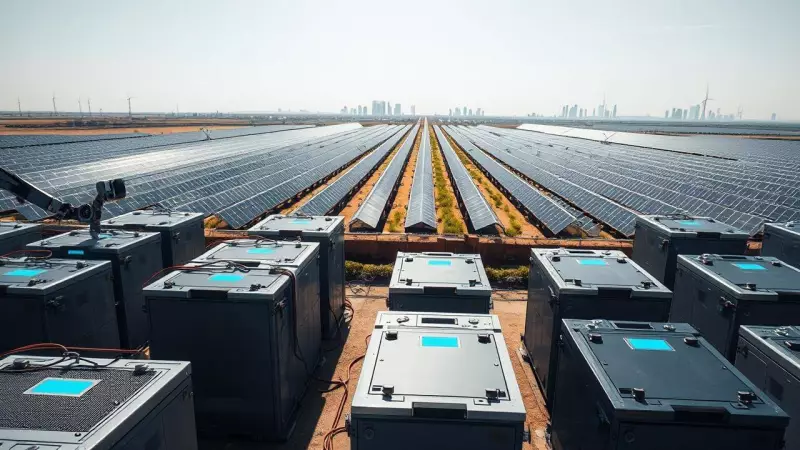
To address this cost disparity and achieve sustainability goals, NALCO is pursuing multiple strategies. According to Chairman-cum-Managing Director Brijendra Pratap Singh, the company is actively engaging in power purchase agreements (PPAs), developing its own green power plants, and appointing a consultant to devise cost-effective strategies for securing green energy with round-the-clock availability. The planned 200-300 MW green power capacity, supported by battery storage, is crucial for maintaining supply reliability while cutting emissions.

Existing Green Initiatives and Expansion Projects
As part of its green initiative, NALCO has already installed 198 MW of wind power plants at various locations across the country and 1020 kWp of rooftop solar power plants at its premises to promote carbon neutrality. Simultaneously, the company is advancing key projects under its corporate expansion strategy. These include:
- Adding a fifth stream at its alumina refinery to increase capacity from 2.1 million tonnes to 3.1 million tonnes annually.
- Developing the Pottangi bauxite mines in Koraput district, Odisha, with mining lease deeds signed and operations set to begin shortly to secure raw materials.
- Commencing coal mining from Utkal D and E blocks to help reduce costs.
- Undertaking a 0.5 million tonnes per annum brownfield expansion of its smelter.
Challenges and Critical Importance
Despite the higher tariffs and supply consistency challenges associated with green power, the shift is deemed critical for sustainable aluminium production. This transition not only aligns with global environmental standards but also positions NALCO as a leader in green aluminium manufacturing, contributing to India's renewable energy targets and reducing the carbon footprint of the aluminium industry.