Bengaluru's Namma Metro Implements Another Fare Increase
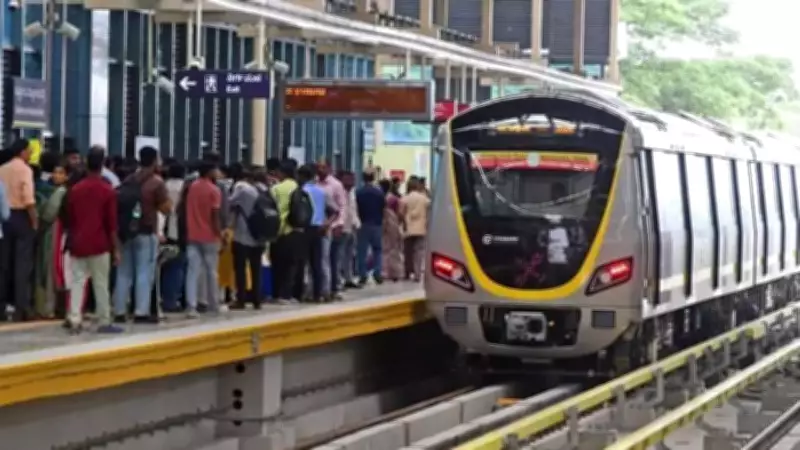
Commuters in Bengaluru will need to dig deeper into their pockets as Namma Metro, already considered one of India's most expensive metro systems, has announced yet another fare hike. The Bangalore Metro Rail Corporation Limited (BMRCL) confirmed on Thursday that a 5 per cent increase will take effect from February 9, marking the second significant fare adjustment in recent years following last year's substantial 71 per cent increase.
Revised Fare Structure Details
The fare revision affects all ten fare slabs across Namma Metro's operational network of approximately 96 kilometers. The minimum fare has been raised from Rs 10 to Rs 11, while the maximum fare now stands at Rs 95 instead of Rs 90. Individual increases range from a modest Rs 1 to Rs 5 depending on the distance traveled.
Here is the complete breakdown of the revised fare structure:

- 0–2 km: Rs 10 → Rs 11
- 2–4 km: Rs 20 → Rs 21
- 4–6 km: Rs 30 → Rs 32
- 6–8 km: Rs 40 → Rs 42
- 8–10 km: Rs 50 → Rs 53
- 10–15 km: Rs 60 → Rs 63
- 15–20 km: Rs 70 → Rs 74
- 20–25 km: Rs 80 → Rs 84
- Above 25 km: Rs 90 → Rs 95
Official Justification and Committee Recommendations
According to an official press release, this adjustment follows the binding recommendations of the Fare Fixation Committee (FFC). The BMRCL statement clarified that "an annual automatic fare revision will be implemented with effect from February 9, 2026" as part of a structured approach to fare management.
Interestingly, while financial data indicated a potential cost increase of 10.20 per cent based on audited figures comparing 2024-25 to 2023-24, the actual hike was limited to 5 per cent in compliance with FFC stipulations. This demonstrates a conscious effort to balance financial requirements with commuter affordability.
Discounts and Long-Term Strategy
Despite the fare increase, BMRCL has maintained several discount schemes:
- Peak hour discount: 5% for smart card and NCMC users
- Non-peak hour discount: 10% for the same user groups
The corporation emphasized that this "small annual revision" aims to ensure financial sustainability and service reliability while preventing sudden, large fare increases in the future. This gradual approach allows fares to align with inflation and operating costs without imposing sharp, infrequent burdens on commuters.
The fare hike will apply uniformly to tourist cards and group tickets, maintaining consistency across all payment methods. BMRCL's strategy appears focused on creating predictable, incremental adjustments rather than disruptive changes that could significantly impact daily commuters.
This development comes at a time when Bengaluru continues to expand its metro network, with the fare adjustment potentially influencing ridership patterns and public transportation choices in India's technology capital.