

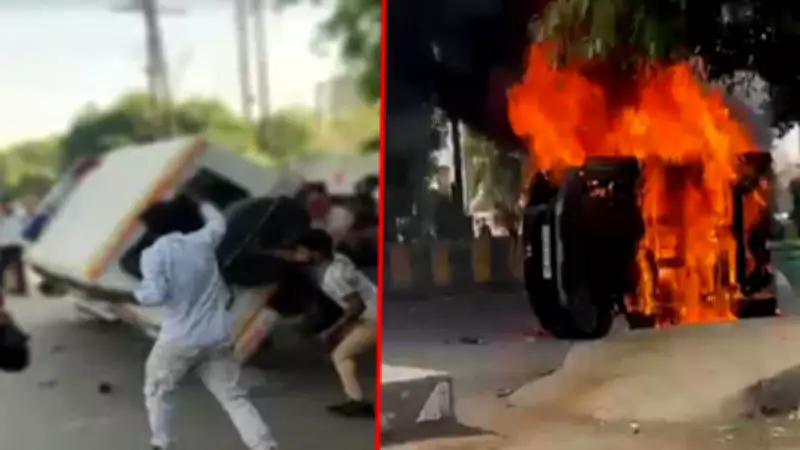
Noida Worker Protest Over Pay and Rights Escalates Into Violent Confrontation
A demonstration by workers in Noida, initially peaceful, rapidly descended into violent turmoil on Saturday, resulting in significant unrest and police intervention. The protest, centered on demands for improved wages and labor rights, saw participants damaging vehicles, hurling stones, and causing widespread chaos on the streets.
Core Demands of the Protesting Workers
The workers were advocating for a comprehensive set of demands, highlighting systemic issues in industrial zones. Their key requests included:
- Better base pay and fair compensation for overtime work
- Guaranteed weekly offs to ensure adequate rest periods
- Establishment of workplace safety committees to monitor conditions
- Proper documentation and transparency in salary payments
- Overall enhancement of workplace dignity and respect
These demands reflect broader concerns about labor conditions in India's industrial heartlands, where workers often face challenging environments.

Police Response and Escalation
As the situation intensified, local police authorities were compelled to intervene swiftly to prevent further escalation. Law enforcement officials deployed tear gas to disperse the agitated crowd and restore order. The use of crowd control measures underscores the severity of the confrontation and the challenges faced by authorities in managing such protests.
Contrast Between Promises and Reality
In a notable twist, government authorities had reportedly initiated dialogue with worker representatives just one day prior to the protest, promising reforms and addressing grievances. However, the violent outburst on the streets suggests a significant disconnect between official assurances and ground-level trust among workers.
This gap highlights deeper issues of communication failures and perceived inaction, fueling frustration among the labor force. The timing of the protest, following so closely on the heels of promised talks, indicates that mere promises are insufficient to quell longstanding discontent.
Broader Implications for Industrial Zones
While the immediate situation in Noida has been brought under control, the incident raises critical questions about labor conditions across India's industrial regions. Analysts point to systemic stresses within the labor ecosystem, where economic pressures and worker rights often collide.
The protest serves as a stark reminder of the potential for unrest in areas dependent on industrial labor, emphasizing the need for sustainable solutions that bridge the divide between management promises and worker expectations. Without addressing these fundamental issues, similar confrontations may recur, posing risks to both social stability and economic productivity.
This event transcends a single protest, pointing to a larger narrative of a system under strain, where the balance between industrial growth and worker welfare remains precarious.






