

Noida Workers' Protest Erupts into Violence, Causing Widespread Chaos
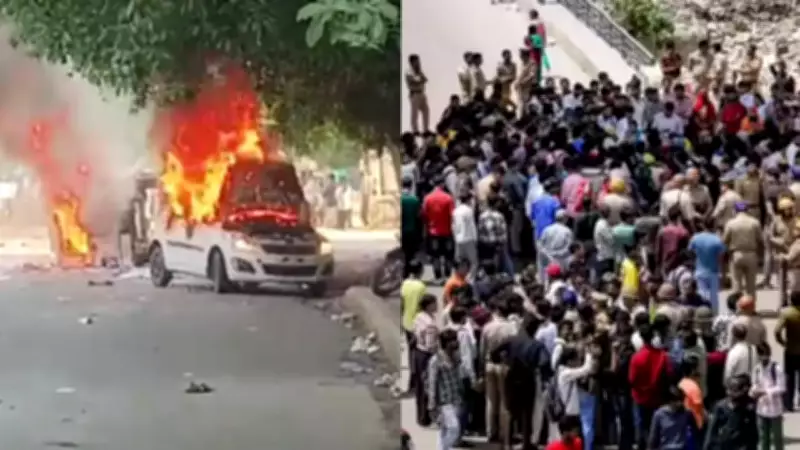
A labour protest in Noida's Phase-2 industrial area spiraled out of control on Monday, leading to violent clashes, significant property damage, and severe traffic disruptions. Workers from multiple factories had gathered to demand salary hikes and improved working conditions, but the demonstration quickly escalated into unrest, with incidents of arson, vandalism, and stone-pelting reported across Phase-2 and Sector 60.
Escalation of Violence and Police Response
During the chaos, a police vehicle and several other vehicles were set ablaze, while roadside property suffered extensive damage. Police personnel initially attempted to calm the crowd but were forced to call for reinforcements as tensions mounted. Senior officials later arrived at the site, deploying heavy police forces across key locations to restore order. Authorities have warned that strict action will be taken against those involved in the violence, while also emphasizing efforts to resolve the issues through dialogue and urging the public to avoid spreading rumors.
Root Causes of the Agitation
The protests are rooted in deep-seated dissatisfaction among workers, particularly over wage disparities between Uttar Pradesh and neighboring Haryana. In Haryana, minimum wages were recently increased to approximately Rs 19,000, whereas in Noida, they remain around Rs 13,000. This gap has fueled resentment, compounded by concerns about benefits, overtime pay, and workplace safety. Despite recent administrative announcements promising reforms such as weekly offs, bonuses, and better grievance redressal systems, workers continue to express frustration, indicating that these measures may not be sufficient to address underlying structural issues.

Traffic Disruption and Security Measures
The unrest caused widespread disruption, with road blockades in key industrial and transit areas leading to severe congestion. Thousands of commuters were stranded for hours as traffic movement ground to a halt. In response, Delhi Police heightened security along key entry points to the capital to prevent any spillover of violence. Additional forces, barricades, and vehicle checks have been implemented to maintain law and order.
Administrative Efforts and Ongoing Dialogue
Prior to the violence, the Noida administration held a high-level meeting involving District Magistrate Medha Roopam, Authority CEO Krishna Karunesh, Police Commissioner Laxmi Singh, and senior labour officials. They finalized a set of safeguards, including compulsory weekly offs, double pay for overtime, timely salary disbursement by the 10th of each month, and annual bonuses before November 30. The administration also emphasized workplace safety, medical cover, and the creation of a formal grievance redressal system, with a committee headed by a woman to address harassment issues. Officials reiterated their commitment to protecting workers' interests and engaging in continuous dialogue to restore peace.
Key Points:

- Violence erupted during a wage-related protest in Noida's Phase-2 area.
- Workers demand salary hikes and better conditions, citing wage disparities with Haryana.
- Police deployed heavily to control the situation, with warnings of strict action against perpetrators.
- Traffic severely disrupted, causing long delays for commuters.
- Administration announced welfare measures but unrest persists, highlighting deeper issues.





