Paradip-Numaligarh Pipeline Commissioning Expected by October-November 2026
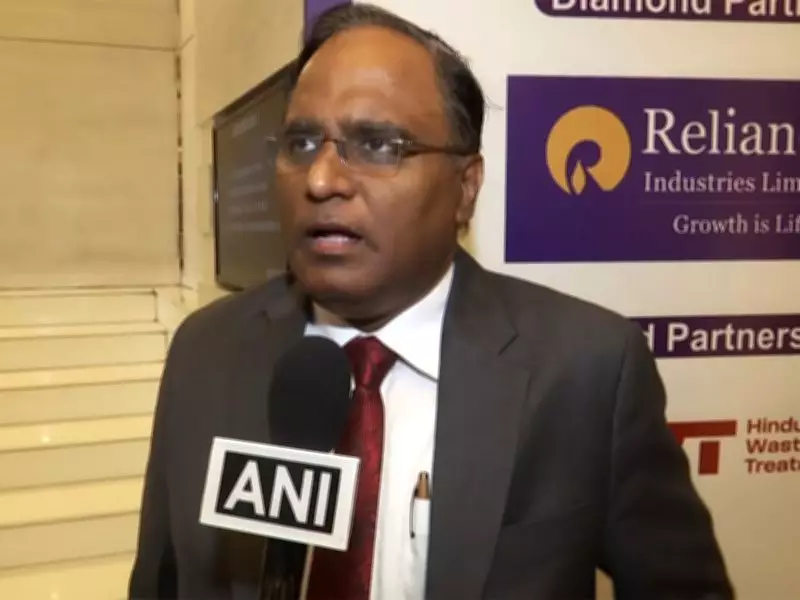
Oil India Ltd expects the 1,635-1,640-km Paradip-Numaligarh crude oil pipeline to be commissioned by October-November this year, according to Ranjit Rath, Chairman and Managing Director of Oil India Ltd. The pipeline will transport imported crude oil from Indian Oil Corporation Ltd's (IOCL) offshore oil terminal at Paradip to the expanded Numaligarh Refinery.
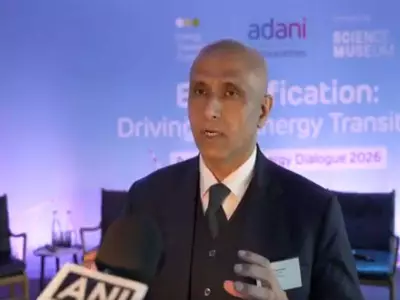
Rath made the announcement on the sidelines of a CII event on compressed biogas (CBG). He stated that pre-commissioning activities are already underway, with crude oil introduced into the system on December 31, 2025. The expanded refinery, whose capacity is being increased from 3 million tonnes per annum (MTPA) to 9 MTPA, is expected to be commissioned in early 2027.
Refinery Expansion to Triple Capacity
The Numaligarh Refinery expansion will increase its capacity from 3 MTPA to 9 MTPA, a threefold increase. Rath noted that about 5.5 million to 6 million metric tonnes of crude oil will be imported annually through IOCL's offshore oil terminal at Paradip and pumped through the pipeline to the refinery. This infrastructure development is crucial for meeting the growing energy demands of the region.

Upstream Operations and Exploration Activities
On Oil India's upstream operations, Rath highlighted that the company is continuing to expand exploration and production activities to enhance domestic hydrocarbon output. Currently, three offshore drilling activities are ongoing, including in the Andaman and Nicobar Islands, the Kerala-Konkan basin, and the KG Basin. This year, Oil India plans to undertake about 100 exploratory, appraisal, and development wells.
Responding to a question on declining global crude oil prices, Rath stated that Oil India, as an upstream producer, remains focused on increasing production and accelerating exploration, regardless of market fluctuations.
Compressed Biogas to Strengthen Energy Security
Speaking separately to ANI, Rath emphasized that compressed biogas (CBG) can strengthen India's energy security and support the country's gas-based economy. "We strongly believe compressed biogas is one of the renewable sources that can supplement the gas-based economy. We intend to undertake CBG plants across the country," he said.
India has a target of producing 15 million metric tonnes of compressed biogas, supported by policy engagement between the Centre and states. Rath noted that India's geographic diversity provides multiple feedstocks, including municipal solid waste and agricultural residue, which can support the growth of the CBG ecosystem. States are expected to develop their own CBG policies to facilitate this growth.
Challenges in Implementing CBG Ecosystem
When asked about the biggest challenge in implementing the CBG ecosystem, Rath replied, "Actually, we need to do it. It's execution." This underscores the need for effective implementation and coordination among stakeholders to achieve the ambitious CBG targets.