

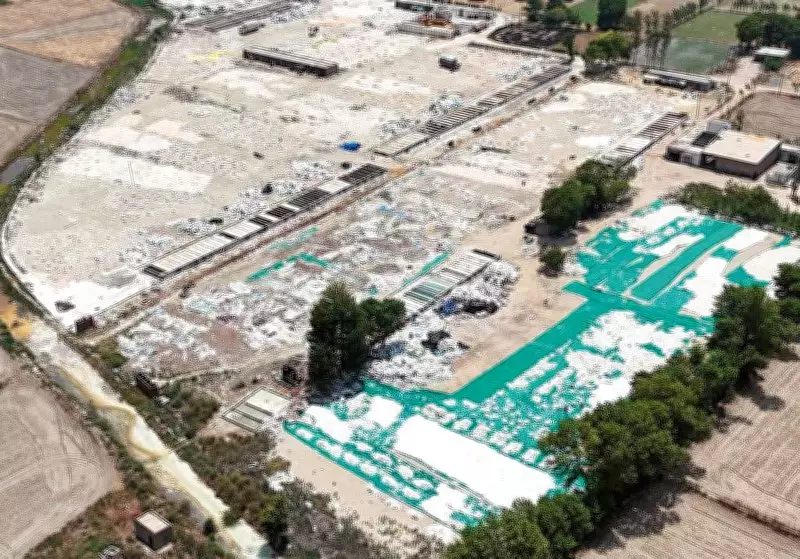
In a startling revelation, authorities have identified more than 60 illegal bleach houses operating on agricultural land in the Panipat district of Haryana. These unauthorized units have been functioning without proper licenses, causing significant environmental degradation and posing serious health risks to local residents.
Environmental and Health Hazards
The bleach houses are discharging untreated chemical waste directly into nearby water bodies and onto open land, contaminating groundwater and soil. Farmers in the vicinity have reported a decline in crop yield and quality. The toxic runoff has also affected livestock, with several cases of illness and death reported among animals that consumed contaminated water.
Local residents have been suffering from respiratory issues, skin allergies, and other ailments attributed to the chemical fumes and polluted water. Children and the elderly are particularly vulnerable.

Authorities Take Action
The district administration, in coordination with the Haryana State Pollution Control Board (HSPCB), has launched a crackdown on these illegal operations. Notices have been issued to the owners, and many units have been sealed. Officials have warned of strict legal action, including fines and imprisonment, for those continuing to operate without authorization.
An HSPCB official stated, “We are conducting regular inspections and have shut down several units. Our goal is to ensure that all industrial activities comply with environmental norms. We will not tolerate any violation that endangers public health or the environment.”
Background and Context
Panipat has been a hub for textile and chemical industries, but the proliferation of illegal bleach houses has exacerbated pollution levels. These small-scale units often operate under the radar, using outdated technology and bypassing waste treatment protocols. The recent discovery highlights the challenges faced by regulatory bodies in monitoring such dispersed activities.
Environmental activists have welcomed the action but demand sustained vigilance. “The administration must ensure that these units do not resurface after the crackdown. A permanent solution requires stricter enforcement and support for compliant industries to adopt cleaner technologies,” said a local activist.
Way Forward
The district magistrate has announced a comprehensive survey to identify all illegal industrial units on farmland. A task force has been formed to monitor compliance and prevent future violations. Additionally, awareness campaigns are being planned to educate farmers and residents about reporting such activities.
The incident underscores the need for balanced development that does not compromise environmental sustainability. With the administration's proactive measures, there is hope that Panipat's farmland can be restored to its original purpose of agriculture, free from industrial encroachment.






