

Panipat MSMEs Slash Emissions and Costs in Groundbreaking Decarbonisation Project
A significant decarbonisation initiative, spearheaded by the Foundation for MSME Clusters (FMC) with support from HSBC and implemented alongside the Centre for Responsible Business (CRB), has concluded with impressive results in the Panipat textile cluster. This project demonstrates that adopting sustainable practices can be both practical and profitable for micro, small, and medium enterprises (MSMEs), offering a model for industrial transformation across India.
Measurable Impact on Emissions and Finances
The initiative, titled "Demonstrating Decarbonisation Pathways through Pilots in Textile SMEs," was designed to help MSMEs transition to low-carbon operations. Through targeted interventions, it has projected a reduction in annual emissions of up to 5,655.60 tonnes of carbon dioxide. Additionally, the project developed bankable proposals worth INR 39.94 crore to facilitate green financing for participating enterprises. Most notably, it unlocked annual cost savings of INR 6.47 crore across the involved MSMEs, highlighting the economic benefits of environmental stewardship.
Bridging Gaps in Sustainability and Competitiveness
Conceived at a time when textile MSMEs face mounting pressure from global sustainability standards but often lack access to finance, technology, and technical expertise, this initiative aimed to bridge these critical gaps. By focusing on scalable and business-friendly decarbonisation pathways, it sought to enhance both environmental performance and global competitiveness. Anchored in Panipat, India's leading hub for recycled textiles, the project proves that climate action does not have to hinder economic growth but can instead drive it forward.

Ecosystem-Driven Approach Yields Tangible Results
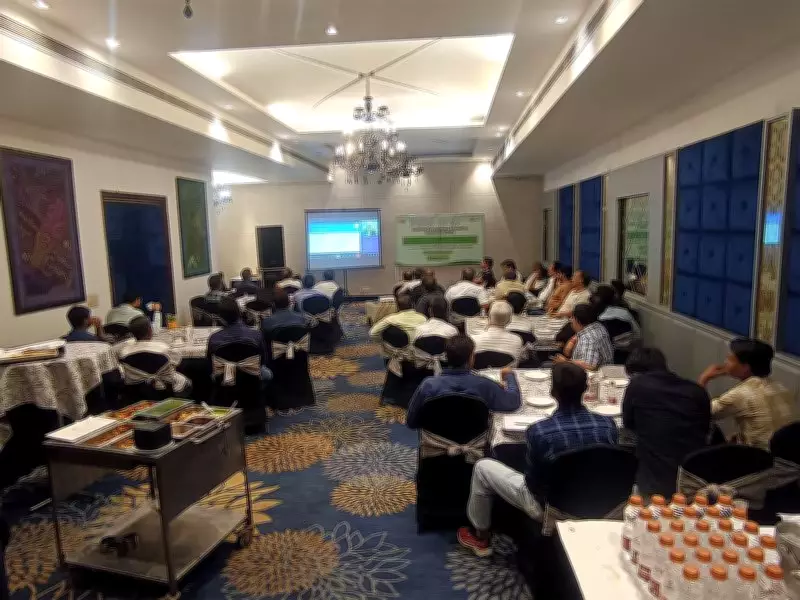
What sets this initiative apart is FMC's implementation-first, ecosystem-driven strategy. Moving beyond mere awareness campaigns, the project actively engaged 40 MSMEs, with 16 pioneering enterprises receiving intensive support. This included diagnostic assessments, customised decarbonisation plans, technology linkages, and facilitation of green finance. A series of targeted business development service provider (BDSP) promotion events further strengthened the ecosystem by bringing together MSMEs, financial institutions, and technical experts. These efforts sensitised 215 enterprises and created robust linkages with service providers, sparking real interest in areas such as energy audits, solar adoption, digitalisation, and cleaner production processes.
On-the-Ground Transformation for MSMEs
For MSMEs in Panipat, the shift has been both perceptual and practical. Mr. Ankur, a local entrepreneur, shared his experience: "Earlier, sustainability felt like an added burden. Through this project, we realised it actually improves efficiency and reduces costs. We are already seeing savings and feel more confident in meeting international buyer expectations." This sentiment underscores how the initiative has transformed sustainability from a compliance issue into a competitive advantage.
Broader Implications and Scalability
Reflecting on the project's significance, Mr. Manoj Bhatt, a representative from FMC, emphasised: "This initiative shows that decarbonisation for MSMEs is not just about compliance—it is about competitiveness. By combining technical support, financial access, and ecosystem partnerships, we have created a model that can be scaled across India's industrial clusters." As the project concludes, it leaves behind a clear roadmap for scaling sustainable transformation, with key learnings highlighting the importance of continuous handholding, clear business cases, local service providers, and ecosystem collaboration.
Blueprint for a Low-Carbon Future
In a global market increasingly defined by sustainability, the Panipat experience serves as a compelling blueprint for how India's MSMEs can transition towards a low-carbon future while strengthening their economic resilience. The initiative not only delivers measurable environmental and financial benefits but also fosters a culture of innovation and collaboration that is essential for long-term impact.






