PM Modi Inaugurates HCL-Foxconn Semiconductor Plant in Uttar Pradesh
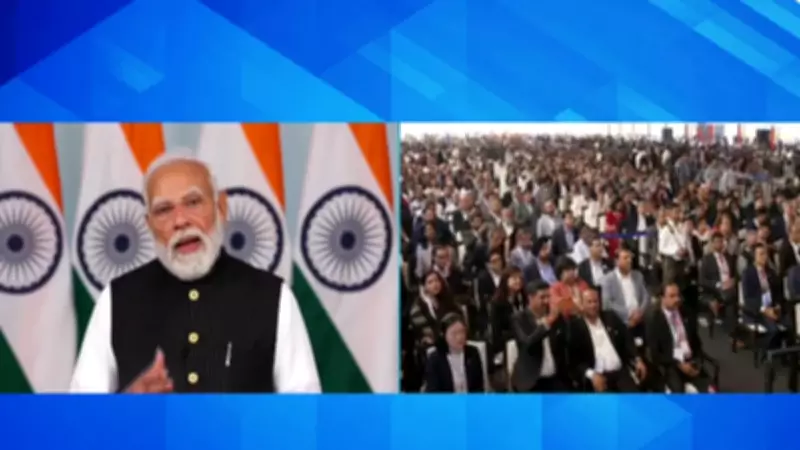
Prime Minister Narendra Modi officially launched the HCL-Foxconn semiconductor manufacturing unit in Uttar Pradesh on February 21, 2026, marking a pivotal moment in India's push to become a global leader in electronics production. The event, held in the state capital, Lucknow, saw the Prime Minister emphasizing the project's role in transforming Uttar Pradesh into a semiconductor powerhouse and advancing the nation's "Make in India" initiative.
Strategic Move to Reduce Import Dependence
The new facility, a joint venture between HCL Group and Taiwan's Foxconn, is set to commence operations by 2026, with an initial investment exceeding $1 billion. This development aims to significantly cut India's reliance on imported semiconductors, which currently account for over 80% of the country's electronics component needs. By localizing production, the unit is expected to enhance supply chain resilience and support domestic industries, including smartphones, automotive, and defense sectors.
Boosting Uttar Pradesh's Economic Landscape
Uttar Pradesh, under the leadership of Chief Minister Yogi Adityanath, has been aggressively promoting industrial growth through policies like the Uttar Pradesh Electronics Manufacturing Policy 2022. The HCL-Foxconn unit is projected to create over 10,000 direct and indirect jobs, spurring economic development in the region. State officials highlighted that this investment aligns with broader efforts to attract high-tech manufacturing and position Uttar Pradesh as a key player in India's digital economy.

Implications for India's Semiconductor Ambitions
This launch comes amid India's intensified focus on semiconductor self-sufficiency, driven by global supply chain disruptions and geopolitical tensions. The government has introduced incentives such as the Production Linked Incentive (PLI) scheme for semiconductors, offering financial support to attract major players. Analysts note that the HCL-Foxconn collaboration could catalyze further investments, with potential ripple effects across the electronics ecosystem.
In his address, PM Modi underscored the unit's strategic importance, stating, "This facility will not only empower Uttar Pradesh but also strengthen India's position in the global semiconductor market." The project is part of a larger vision to establish multiple semiconductor hubs across the country, with Uttar Pradesh emerging as a frontrunner due to its infrastructure and policy support.
Future Outlook and Challenges
While the 2026 production target is ambitious, experts caution that challenges such as skilled workforce development, technology transfer, and global competition remain. However, the government's proactive measures, including partnerships with international firms and educational initiatives, are seen as steps toward overcoming these hurdles. The success of this unit could set a precedent for similar ventures, accelerating India's journey toward semiconductor independence.
Overall, the inauguration of the HCL-Foxconn semiconductor unit represents a significant milestone in India's industrial policy, with Uttar Pradesh poised to play a central role in the nation's chipmaking aspirations. As production nears, stakeholders will closely monitor progress, anticipating broader economic and technological benefits.